The Silicon Valley Gamble: Anthropic Courtships the Retail Investor
Anthropic is positioning its upcoming Initial Public Offering to include everyday investors, a strategic move that signals a shift in how frontier AI companies seek capital and legitimacy. However, market skepticism persists, with analysts warning that the hype surrounding AI valuations may not withstand the scrutiny of public markets.
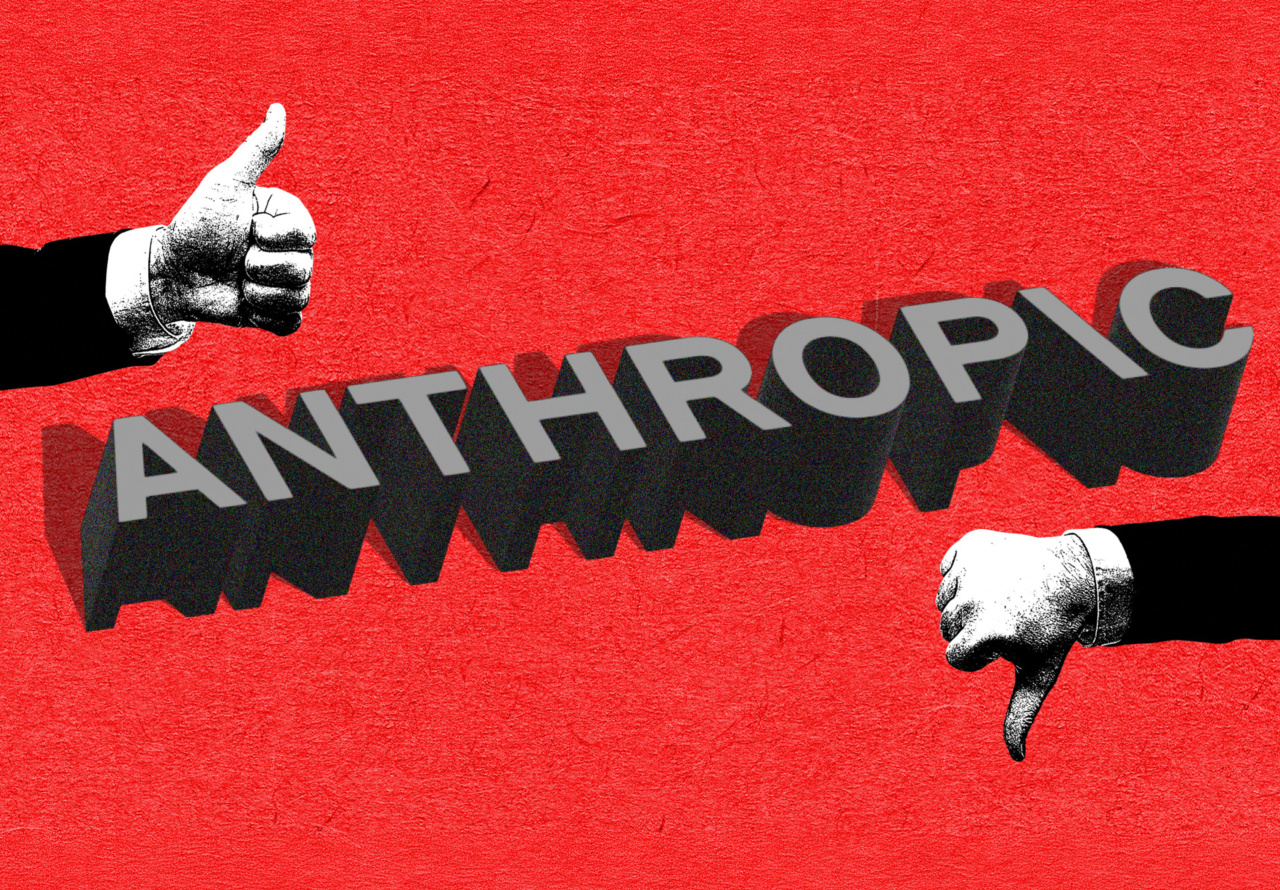
Anthropic, one of the leading developers of large language models, is preparing for a public listing that explicitly targets retail investors rather than limiting its share sale to institutional heavyweights. This decision marks a significant departure from the traditional IPO playbook, where the primary goal is to raise capital from large funds and hedge funds. By opening the door to individual investors, Anthropic is attempting to build a broad base of ownership that aligns with its narrative of responsible and accessible AI. The move is designed to generate massive public interest and liquidity, potentially setting a new benchmark for the valuation of AI-driven enterprises.
The underlying tension lies in the disconnect between the technological promise of AI and the financial realities of the market. While the technology is advancing rapidly, the profitability of AI companies remains a subject of intense debate. Critics argue that the current valuations are inflated by speculative fervor, and that the inclusion of retail investors exposes them to significant risk. The institutional friction is evident in the cautious tone of market analysts, who warn that the hype cycle may lead to a correction if the companies fail to deliver consistent revenue growth. This skepticism reflects a broader unease about the sustainability of the AI boom and the ability of these firms to translate technological breakthroughs into financial returns.
The downstream consequences of this IPO strategy will shape the future of the AI sector. If Anthropic succeeds in attracting retail investors, it could trigger a wave of similar moves by other AI companies, leading to a democratization of access to frontier technology. However, this also increases the volatility of the market, as retail investors are more prone to emotional trading and less equipped to handle the risks associated with high-growth tech stocks. The tangible outcome will be a more fragmented and volatile AI market, where the success of individual companies is closely tied to public sentiment rather than just fundamental performance. This shift could accelerate the integration of AI into the broader economy, but it also raises concerns about financial stability and investor protection.
Comments 0