The Strategic Realignment of Middle Eastern Energy Flows
Abu Dhabi National Oil Company has secured millions of barrels of heavily discounted Iraqi crude. This maneuver allows the Emirati state producer to optimize domestic refinery feedstock while rerouting its own premium exports away from maritime bottlenecks.
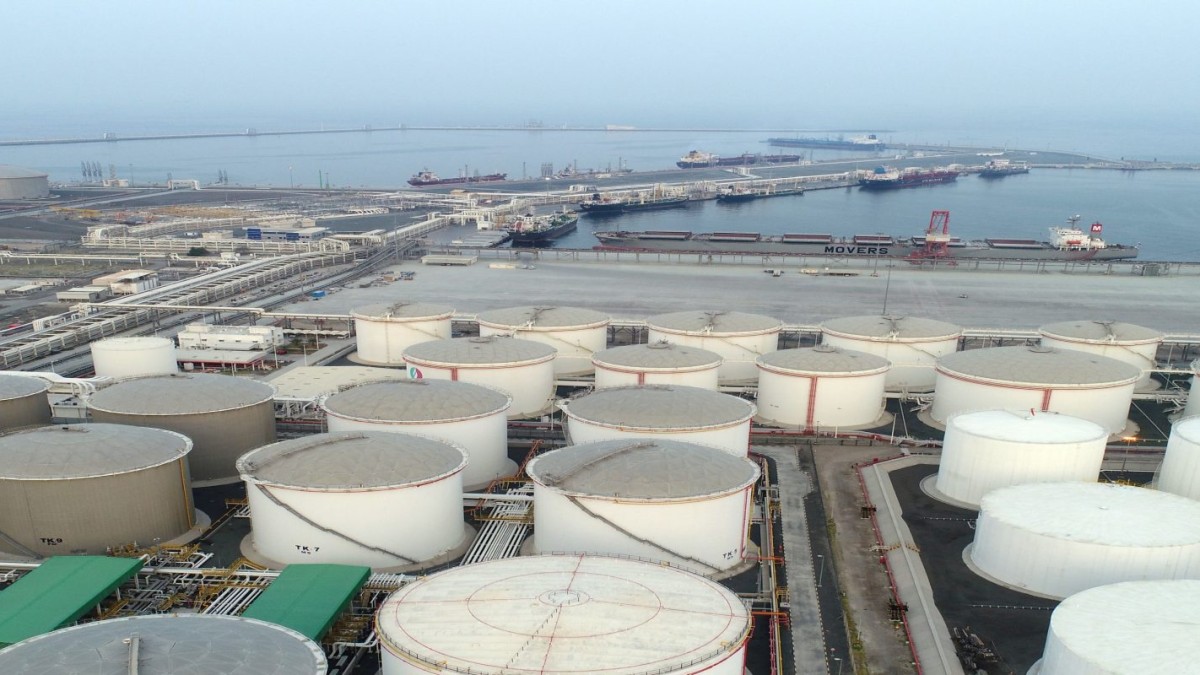
The contemporary geopolitics of petroleum often turns on the quiet mechanics of arbitrage and logistics. By securing thirty-two million barrels of Iraqi crude at a staggering twenty-five dollar discount per barrel, the United Arab Emirates has demonstrated a masterclass in regional resource optimization. This aggressive acquisition strategy bypasses traditional supply chain vulnerabilities by routing local consumption inward and freeing up native production for external markets. For years, the Strait of Hormuz has served as an omnipresent choke point, holding global energy commerce hostage to regional hostilities. By absorbing discounted continental supplies for domestic processing, Emirati leadership effectively insulates its revenue streams from potential maritime blockades. State planners have engineered a buffer that protects national economic interests while capitalizing on the fractured trade dynamics plaguing neighboring jurisdictions. Downstream consequences from this aggressive procurement will ripple across international pricing desks and sovereign balance sheets. Competitors in the broader Organization of the Petroleum Exporting Countries cartel now face a recalibrated market where regional discounts dictate refining margins. As capital reallocates toward secure, overland logistics corridors, traditional maritime shipping lanes face diminished operational relevance.
Comments 0