The Sugar Crisis: Karnataka's Limited Funds Meet Farmer's Fury
Karnataka's Deputy Chief Minister has informed protesting sugarcane farmers that the state has only limited funds to address their grievances. This admission highlights the fiscal constraints facing the state and the growing discontent among the agricultural sector.
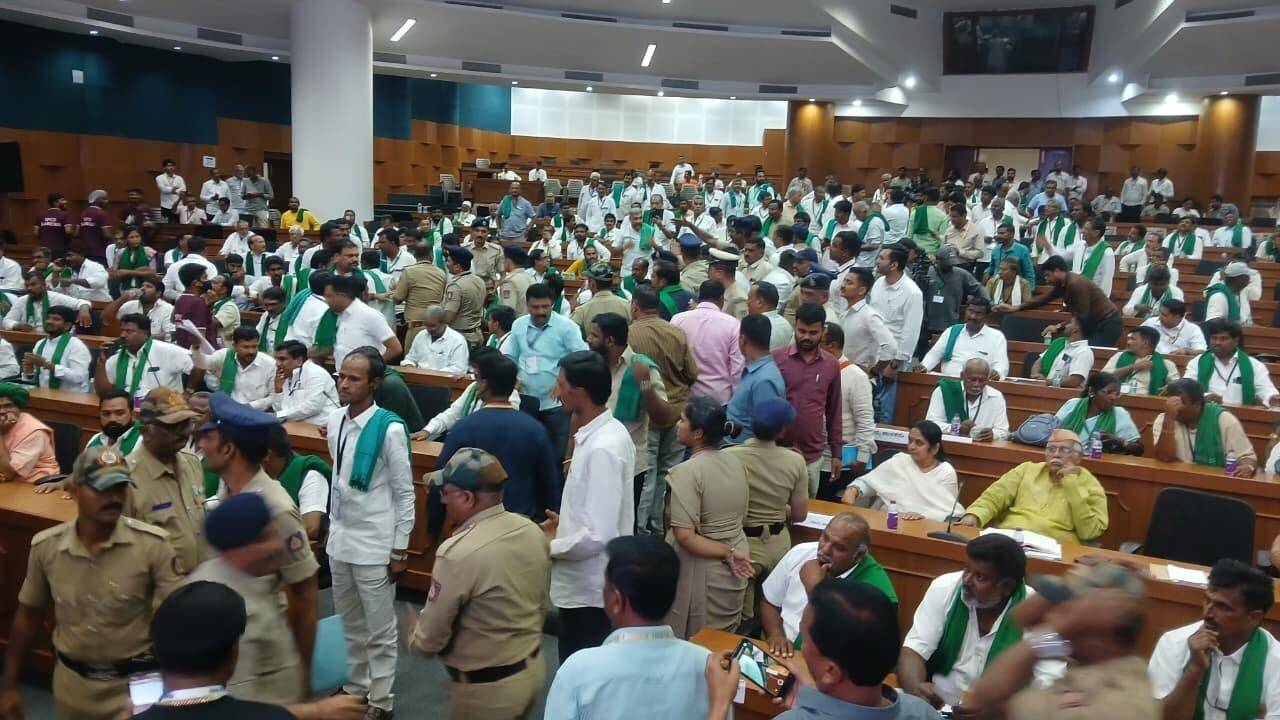
The statement by Karnataka's Deputy Chief Minister, Shivakumar, that the state has only limited funds to address the demands of protesting sugarcane farmers is a stark admission of the fiscal reality facing the government. The farmers, who are the backbone of the state's agricultural economy, are demanding higher prices and timely payments, but the state's coffers are not deep enough to meet these demands. This has led to a standoff, with farmers blocking roads and demanding immediate action from the government.
The underlying tension is a clash between the state's fiscal constraints and the economic needs of the agricultural sector. The institutional friction is evident in the government's inability to balance its budget with the demands of its most vulnerable citizens. The sugar industry in Karnataka is facing a crisis of its own, with low sugar prices and high production costs, making it difficult for the state to intervene without incurring significant debt. This has created a vicious cycle, where the state's inability to pay farmers leads to protests, which in turn puts pressure on the government to find solutions that it cannot afford.
The downstream consequences of this crisis are severe, as the discontent among farmers is likely to spread to other agricultural sectors, potentially leading to a broader rural unrest. The state's failure to address the farmers' grievances will also have political implications, as the government risks losing the support of a key voting bloc. This could force the state to make difficult choices, such as cutting spending on other sectors or seeking central government assistance, both of which have their own political and economic costs.
Comments 0