The Suppression of Dissent in Lahore: The Arrest of Aleema Khan and the Fracturing of Pakistani Opposition
The preemptive arrest of Imran Khan's sister ahead of a major opposition march signals a hardening of the state's security apparatus. This move effectively criminalizes political assembly and deepens the systemic polarization gripping Pakistan.
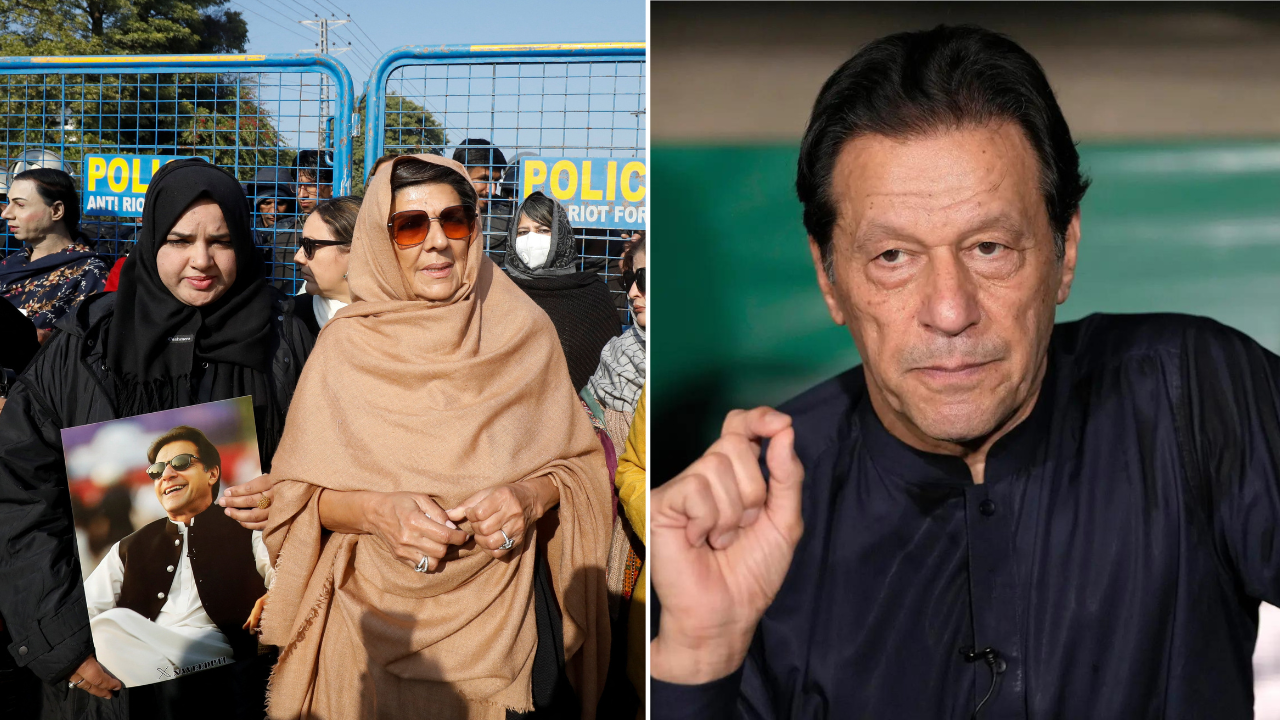
The detention of Aleema Khan in Lahore represents a sharp escalation in the Pakistani state's campaign to dismantle the Pakistan Tehreek-e-Insaf party before it can mobilize public discontent. By targeting the immediate family of the imprisoned former Prime Minister, the security establishment has signaled its refusal to tolerate even symbolic dissent. This arrest directly preempts a planned national protest, turning the streets of Lahore into a militarized zone of containment. This confrontation exposes the deep-seated friction between a fragile civilian government, backed by the military establishment, and a populist movement that refuses to be quieted. The judiciary and law enforcement agencies find themselves weaponized as instruments of political exclusion, eroding the rule of law to maintain a precarious status quo. As the state deploys preventive detention against political figures, the institutional legitimacy of Pakistan's democratic framework continues to decay. The immediate casualty of this crackdown is the possibility of political reconciliation, leaving the nation locked in a cycle of instability that deters foreign investment and exacerbates its economic crisis. For the opposition, the loss of visible leadership forces the movement underground, raising the risk of unstructured, volatile clashes. Ultimately, the state's reliance on coercive force secures temporary order at the cost of long-term systemic stability, guaranteeing further unrest.
Comments 0