The Supreme Court's Verdict on Two-Wheeler Taxis Reshapes Urban Mobility
The Supreme Court has delivered a ruling that significantly curtails the aggressive expansion of bike-taxi services, marking a decisive legal defeat for the Karnataka government's regulatory stance. This judicial intervention forces a reevaluation of safety protocols and licensing frameworks across major Indian metropolitan areas.
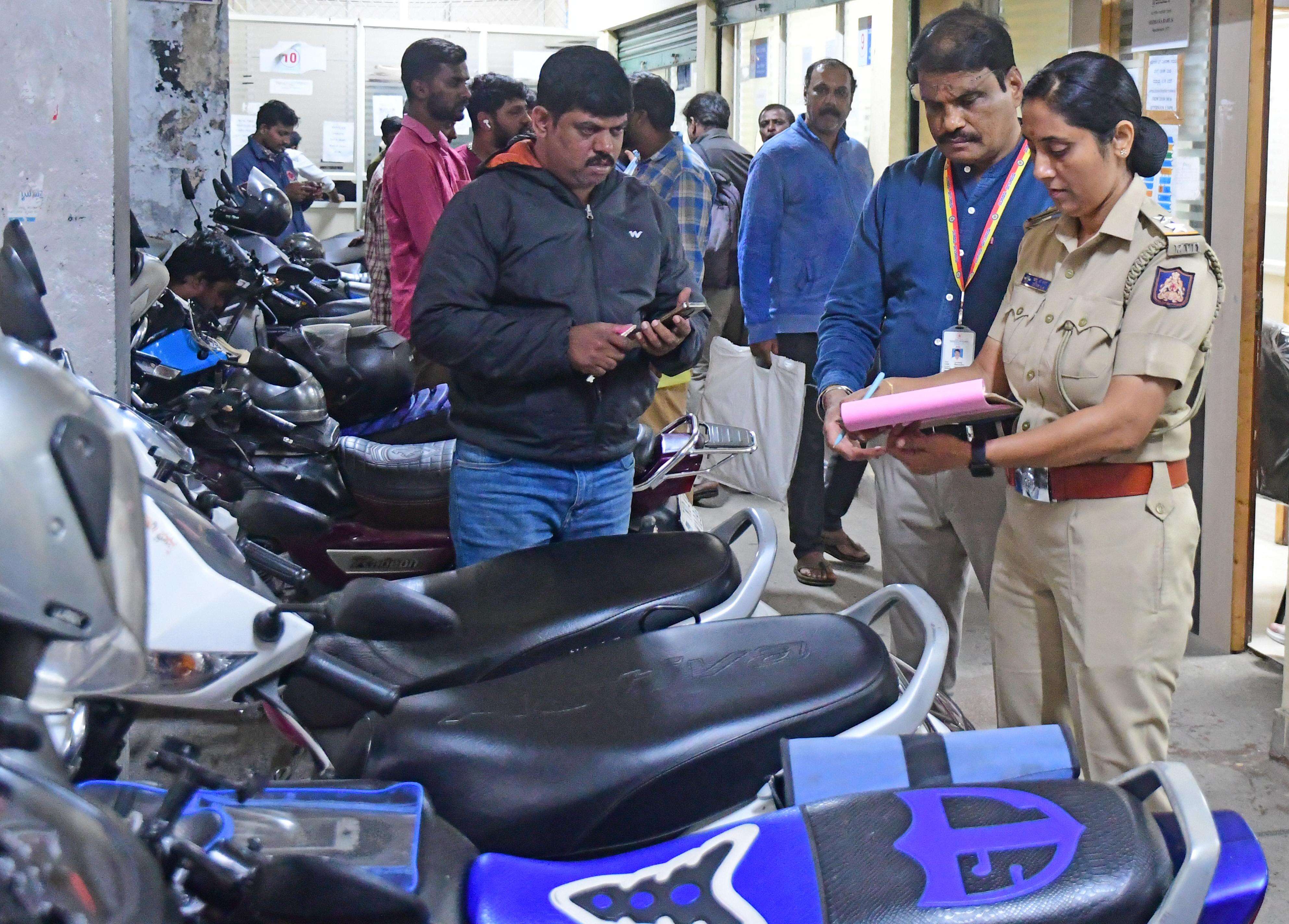
The concrete rupture arrived in the form of a judicial pronouncement that halted the unchecked proliferation of two-wheeler taxi services in Bengaluru. The Supreme Court's decision stands as a major setback for the state government, which had previously championed the sector as a solution to traffic congestion and unemployment. The ruling effectively imposes stricter boundaries on the operation of these vehicles, challenging the existing operational models that prioritized speed over rigorous safety standards. This legal shift immediately disrupts the business models of numerous aggregators and individual drivers who had invested heavily in the premise of unrestricted growth.
The underlying tension stems from a prolonged institutional friction between state-level economic policies and central judicial oversight regarding public safety. Karnataka's administration had vociferously opposed restrictions, arguing that the services provided essential livelihoods and reduced carbon footprints. However, the court's intervention highlights the persistent gap between rapid technological adoption and the lagging infrastructure of traffic laws. The friction is not merely administrative but philosophical, pitting the immediate economic benefits of gig-economy expansion against the long-term imperative of road safety and urban planning coherence.
The downstream casualties include thousands of drivers who face uncertain income streams as compliance costs rise and operational zones shrink. For the state government, the verdict represents a loss of regulatory autonomy and a public relations challenge in managing expectations of the workforce. The tangible outcome is a forced recalibration of the urban transport ecosystem, where the allure of cheap, fast transit must now contend with the hard realities of legal liability and insurance requirements. This shift may slow the adoption of two-wheelers for commercial use, pushing commuters back toward traditional auto-rickshaws or public transit options.
Comments 0