Three Kuki Youth Killed in Manipur Clash as NRC Rally Stirs Political Tension
A gunfight between Kuki and Naga groups in Manipur resulted in the deaths of three Kuki individuals, prompting a mass rally in Imphal demanding NRC implementation and the removal of the deputy chief minister. The violence has heightened ethnic frictions in the state.
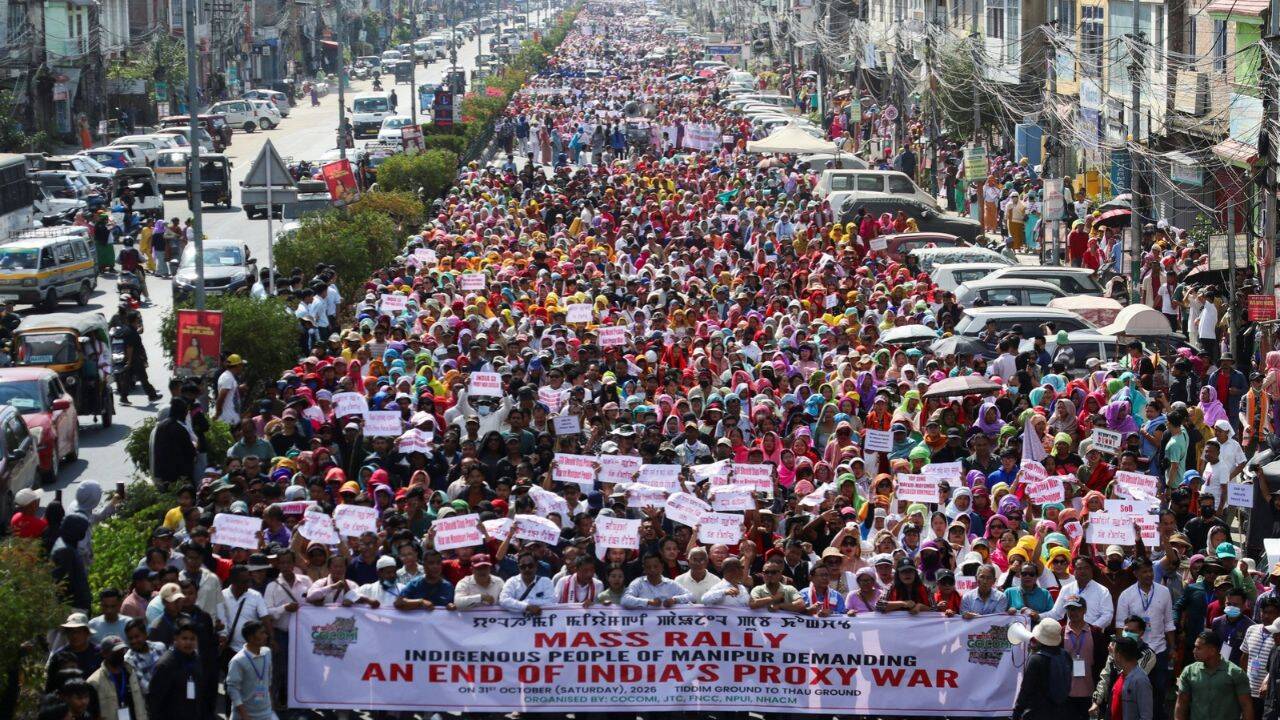
In the early hours of a tense evening, armed confrontations erupted near the outskirts of Imphal, pitting Kuki militants against Naga combatants in a deadly exchange of fire. The skirmish left three Kuki youths dead and several others wounded, as eyewitnesses described a chaotic scene of gunshots echoing through the hills. Local authorities responded with a rapid deployment of security forces, but the volatile environment limited their ability to contain the violence, leading to a temporary shutdown of nearby roads and markets.
The incident unfolded against a backdrop of simmering ethnic rivalry that has long plagued Manipur's political . Recent calls for the nationwide National Register of Citizens (NRC) have intensified fears among minority groups about disenfranchisement, while opposition parties have leveraged the unrest to demand the removal of the state's deputy chief minister, whom they accuse of stoking division. Community leaders from both sides have issued statements condemning the bloodshed, yet deep‑seated grievances over land rights, political representation, and cultural autonomy continue to fuel mistrust.
The fallout from the clash reverberates through the state's fragile peace process. Security agencies have announced heightened patrols and the establishment of a joint monitoring committee to investigate the incident, aiming to prevent further escalation. Meanwhile, civil society organizations are mobilizing humanitarian aid for the families of the deceased and calling for an inclusive dialogue that addresses the root causes of ethnic discord. In the coming months, the episode may influence the central government's approach to the NRC debate, potentially prompting a reassessment of its implementation strategy in conflict‑prone regions.
Comments 0