Tragic Epilogue Follows Nithari Acquittal in Noida
Surinder Koli, previously acquitted in the infamous 2006 Nithari serial killings, died by suicide. This development brings a grim conclusion to one of the most harrowing chapters in modern Indian criminal jurisprudence.
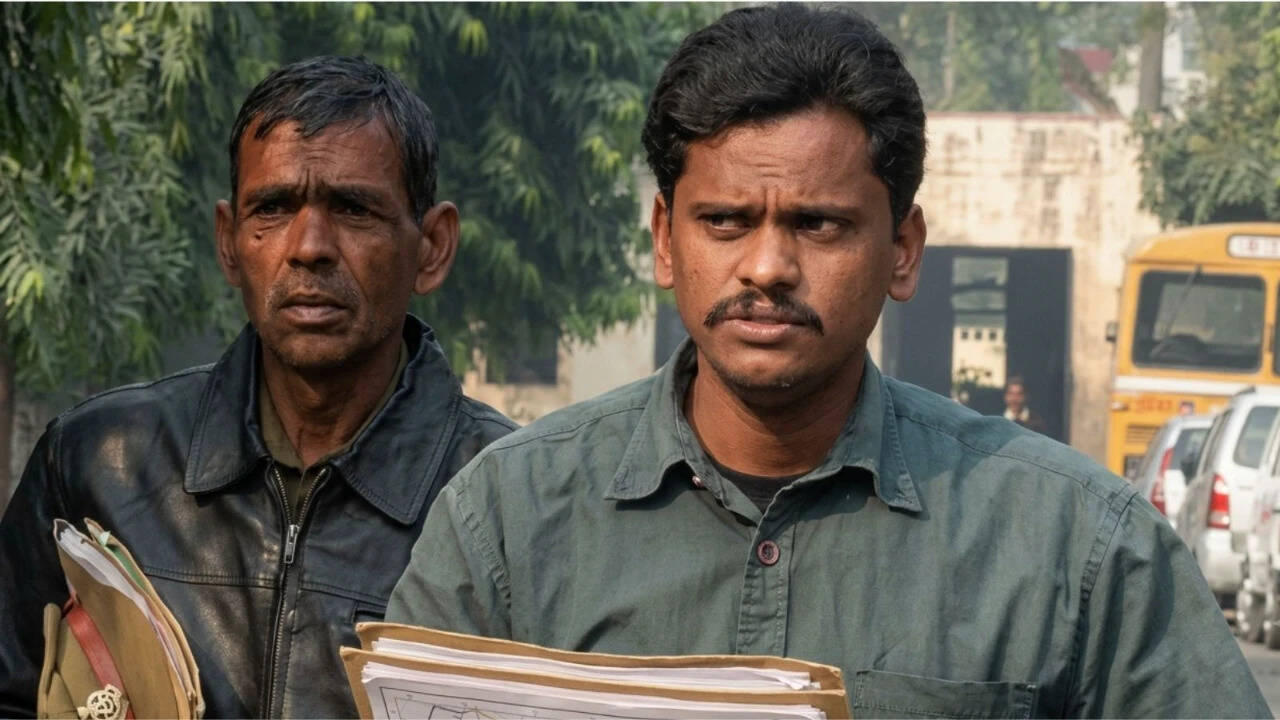
Surinder Koli, whose name became synonymous with the grotesque atrocities discovered in a Noida residential drain nearly two decades ago, ended his life following years of prolonged legal battles. His acquittal by higher courts on critical charges had earlier dismantled the prosecution narrative that shocked the collective conscience of the nation. The sudden death closes the final, tragic chapter of a judicial proceeding defined by systemic investigative failures. The Nithari case exposed profound structural deficiencies within local law enforcement agencies, highlighting how marginalized victims were systematically ignored until public outrage forced action. The protracted trials tested the limits of the Indian criminal justice system, revealing deep evidentiary voids and mishandling of forensic materials. Koli's death permanently denies society a definitive closure regarding the full spectrum of culpability. Legal analysts and human rights advocates are left reflecting on a broken investigative apparatus that failed both the victims and the accused. The institutional legacy of the case remains a stark reminder of the urgent need for forensic modernization within police forces. Public memory will continue to grapple with the profound institutional trauma generated by the original investigation.
Comments 0