Tragic Fatalities Expose Rural Healthcare Deficits in Rural Bihar
A local merchant succumbed to a venomous snakebite in the Bhojpur district, drawing sharp focus to the chronic absence of emergency anti-venom supplies in peripheral health outposts. The tragedy lays bare the structural decay plaguing primary public medicine delivery across rural India.
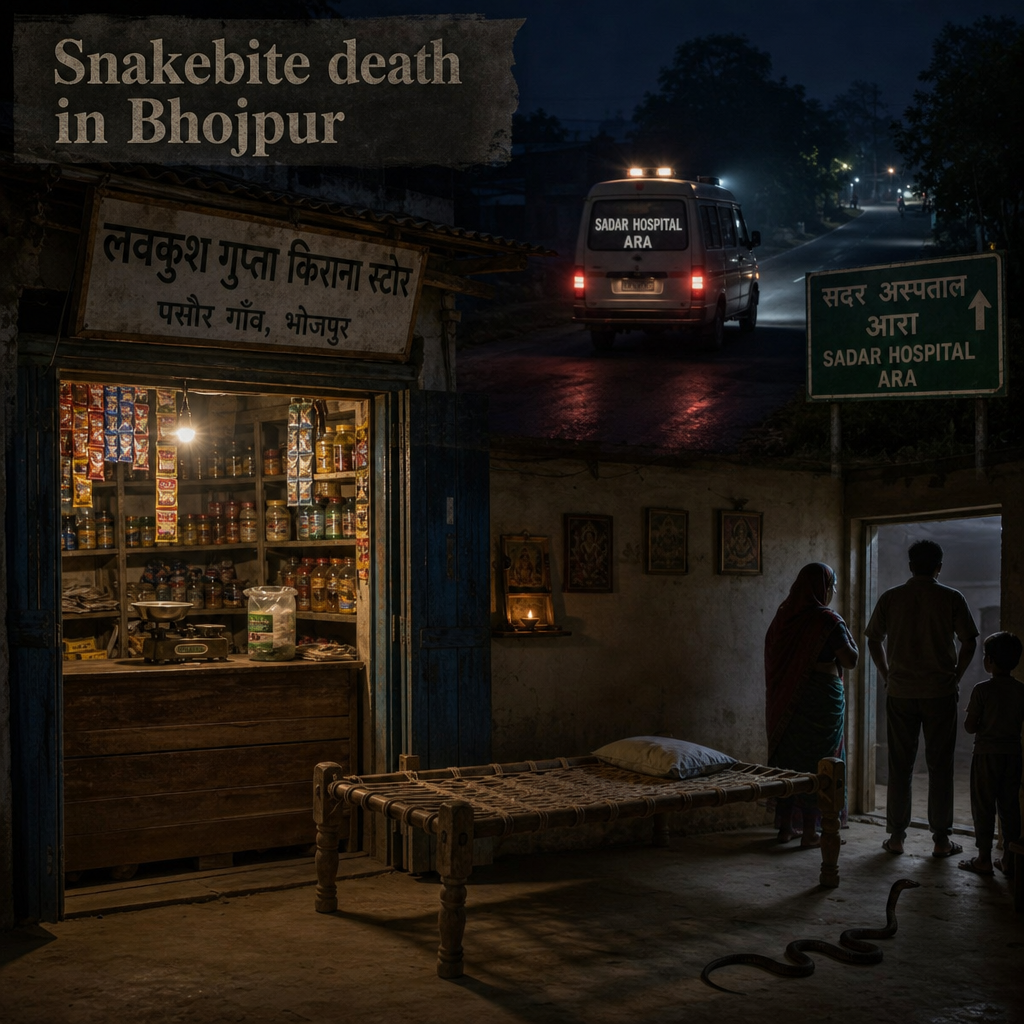
A routine commercial day in rural Bihar turned fatal when a local shopkeeper suffered a lethal serpent envenomation without access to prompt medical intervention. Family members rushed the victim through poorly paved roads to local clinics, only to find locked doors and absent medical staff. The lack of basic emergency therapeutics in government-run health centers continues to exact a heavy toll on agrarian populations. This recurrent tragedy highlights the yawning chasm between urban medical infrastructure development and the primitive conditions prevailing in rural administrative blocks. While state budgets allocate funds for rural health missions, bureaucratic apathy and supply chain bottlenecks ensure that life-saving serums rarely reach community health hubs. Local practitioners are frequently left helpless, managing acute trauma with archaic methods. The human cost is measured in preventable deaths among productive rural breadwinners, destabilizing vulnerable household economies across the region. Public anger over administrative negligence forces temporary suspensions of junior health officials, yet systemic reforms remain perpetually stalled. The downstream outcome is a profound institutional distrust that drives desperate citizens toward unregulated quacks.
Comments 0