Transatlantic Defense Personnel Policies Shift Toward Ideological Criteria in Military Promotions
Defense leadership implements controversial ideological standards governing senior military promotions and career advancement. Analysts warn of widening institutional divides within armed forces personnel structures.
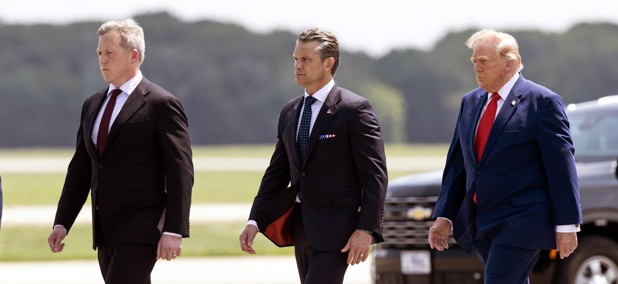
Defense leadership instituted a sweeping overhaul of military promotion boards, embedding ideological alignment criteria into the evaluation metrics for senior officer advancement. Proponents argue that these measures revitalize recruitment pipelines and restore institutional accountability among the military high command. Conversely, internal surveys and veteran associations indicate growing unease among mid-grade officers regarding the politicization of career progression paths. The policy shift exacerbates existing friction between civilian defense oversight bodies and entrenched military professional norms. Critics within defense policy circles contend that evaluating officers based on ideological compliance rather than operational competence undermines meritocratic principles developed over decades. The resultant uncertainty has led to premature retirements among technical specialists within strategic command divisions. The immediate casualty of these administrative changes is institutional cohesion within joint command structures, where predictability and operational trust are paramount. Defense contractors and allied foreign militaries are closely monitoring these personnel shifts for potential impacts on long-term strategic planning and intelligence sharing. Over the coming year, retention rates among specialized technical personnel will serve as the primary metric for evaluating the policy's systemic viability.
Comments 0