Global Maritime Logistics Strains Under Hormuz Energy Disruptions
Escalating Middle Eastern maritime security failures have forced a drastic rerouting of international oil and liquefied natural gas carriers. This capacity squeeze has instantly inflated shipping overheads across major global waterways including the Panama Canal.
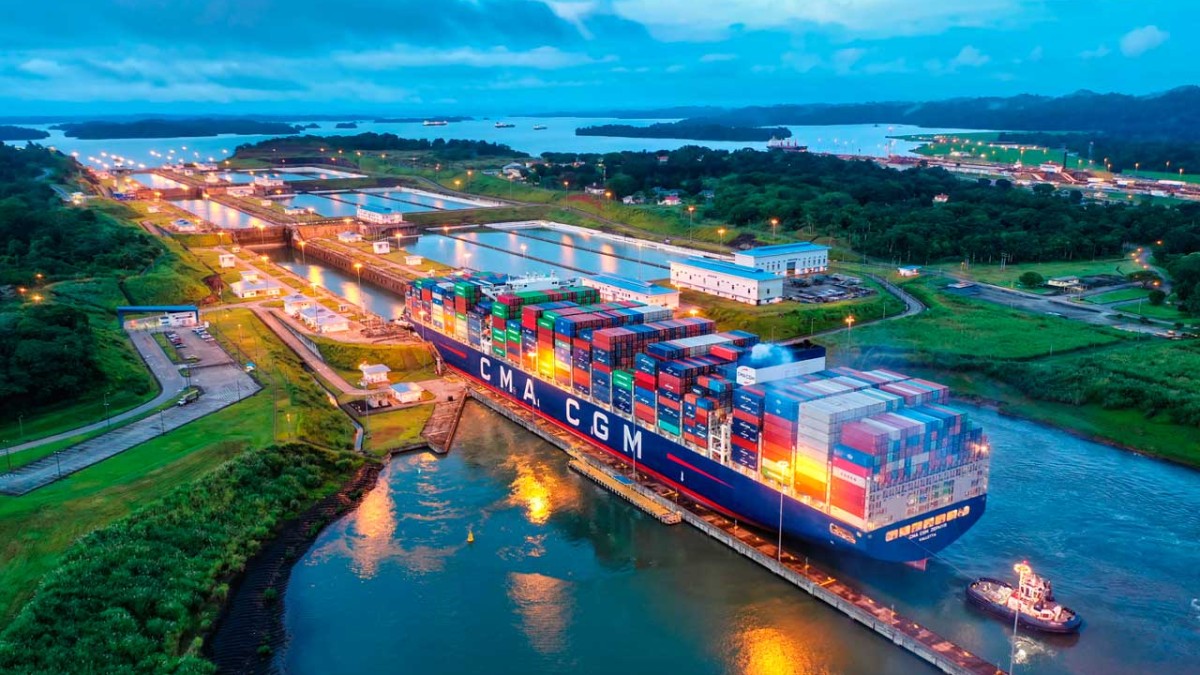
The persistent volatility originating in Middle Eastern waters has systematically dismantled long-standing assumptions of maritime security. Tanker traffic through primary energy export chokepoints has dropped precipitously, compelling vessel operators to adopt circuitous alternate routes that add weeks to transit times. This operational bottleneck drains available global vessel capacity precisely when industrial economies demand stable resource deliveries. The structural friction stems from the acute vulnerability of centralized maritime corridors to regional geopolitical conflicts. Port authorities and shipping conglomerates now face profound insurance premiums and security outlays that inevitably trickle down to industrial consumers. Governments lacking robust domestic energy reserves find themselves bidding aggressively for dwindling tanker availability, exacerbating inflationary pressures worldwide. As supply chains compress, manufacturing sectors dependent on timely raw material imports absorb immediate margin contractions. Small and medium-sized exporters face prohibitive container freight costs, threatening to stall industrial output across emerging markets. The long-term casualty of this logistical crisis is the traditional model of frictionless global trade, replaced by a fragmented system defined by regional self-reliance and inflated baseline costs.
Comments 0