Transit Infrastructure Strains and Fleet Maintenance Crises
Surging mechanical failures across state transport fleets are exposing deep structural maintenance deficits in regional public mobility networks. Commuters face escalating disruptions as ageing vehicles continue to operate past optimal service lives.
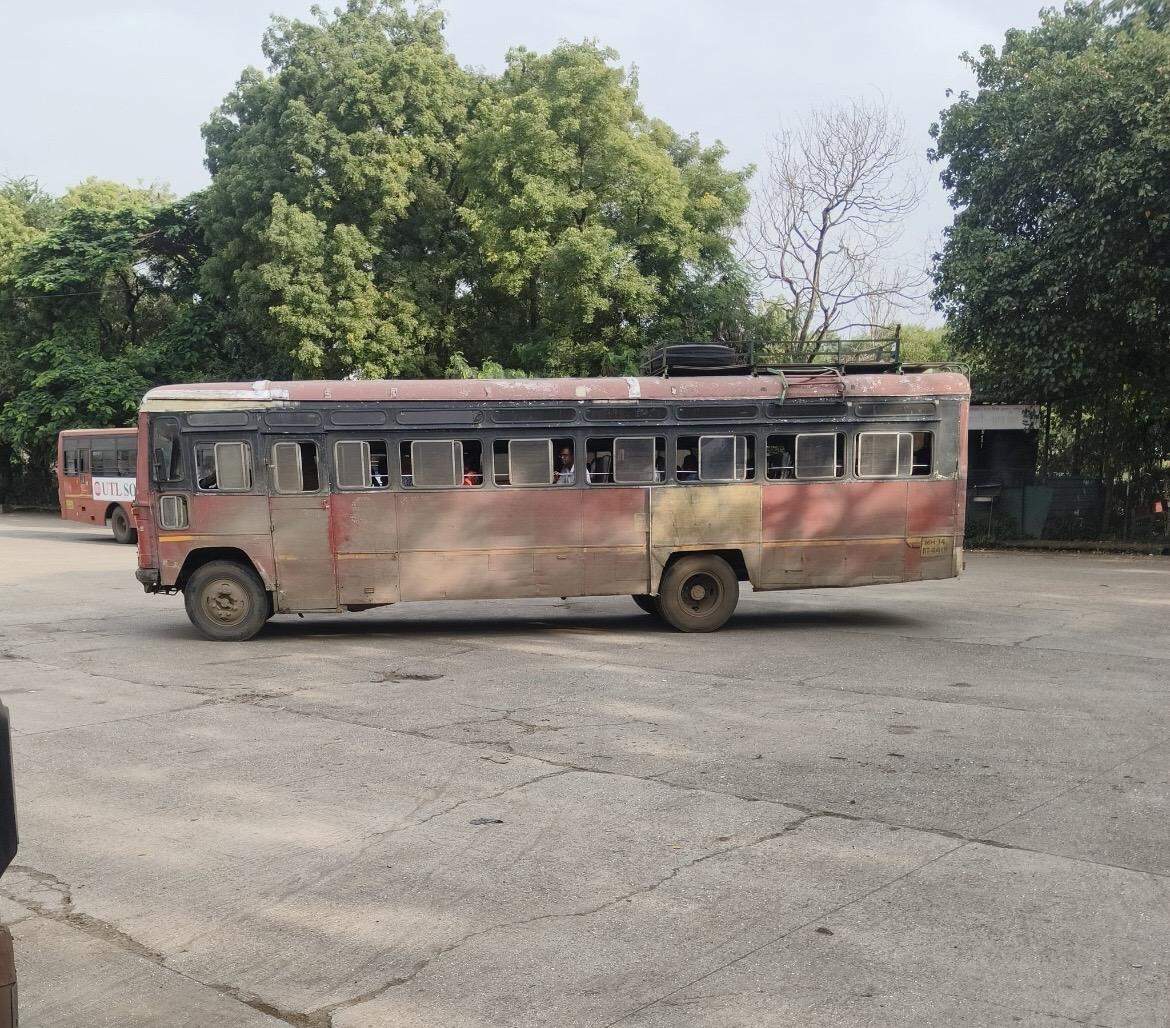
Public transportation networks form the circulatory system of regional economies, making fleet reliability a matter of acute public interest. Recent operational data from western India reveals a sharp increase in bus breakdowns, driven primarily by an ageing fleet and deferred capital investments in maintenance. This deterioration threatens to paralyze commuter transit across major urban and rural corridors. The root cause of this transportation crisis lies in chronic underfunding and delayed procurement cycles for new vehicles by state transport corporations. budgetary allocations frequently prioritize short-term operational subsidies over long-term capital renewal, leaving maintenance depots underequipped and understaffed. Consequently, mechanical failures have transitioned from isolated incidents to systemic bottlenecks. The immediate casualties of this infrastructure lag are daily wage earners, students, and working-class commuters who depend entirely on affordable public transit. As transport corporations scramble to patch failing vehicles, the long-term solution requires substantial capital infusions and structural overhauls of procurement management to restore network reliability.
Comments 0