Tripura High Court Orders Police to Guard CPI(M) Nomination Filings
The Tripura High Court issued a directive compelling the state police to provide heightened security for Communist Party of India (Marxist) candidates filing nomination papers. The order is expected to reshape the conduct of municipal elections by curbing intimidation tactics.
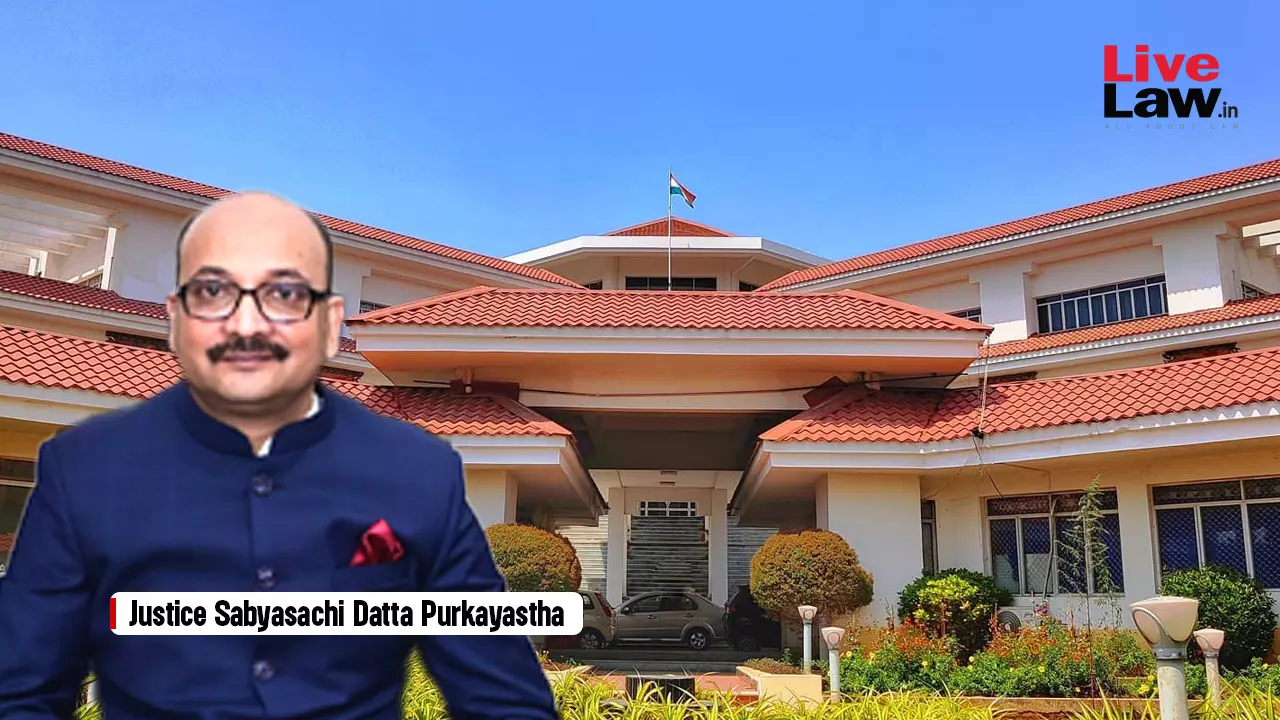
The apex judicial pronouncement arrived after petitions highlighted credible threats against CPI(M) aspirants seeking to register for the upcoming municipal polls. By mandating the Director General of Police to allocate additional personnel and protective measures, the court has inserted a legal bulwark that directly confronts the climate of fear that has shadowed local electoral processes in the state. This concrete intervention transforms a procedural step, filing nomination papers, into a moment of state‑sanctioned safety, thereby altering the immediate logistics of candidate registration.
Underlying this judicial move is a simmering rivalry between the ruling party and the CPI(M), whose historical foothold in Tripura has been eroded in recent years. The demand for security reflects broader anxieties about political violence, the deployment of partisan police forces, and the erosion of democratic norms at the grassroots level. By invoking the court's authority, the CPI(M) seeks to rebalance power dynamics, while the state apparatus must now reconcile its law‑enforcement duties with partisan expectations, a tension that may reverberate through future electoral disputes.
The downstream impact of the order could be profound. Candidates, assured of police protection, may be more willing to contest seats, potentially revitalising opposition representation in municipal bodies. Conversely, the directive places a spotlight on the state's capacity to enforce impartial security, inviting scrutiny from civil‑society watchdogs and national observers. Should the police fail to deliver on the court's mandate, the judiciary may be compelled to intervene further, setting a precedent for judicial oversight of electoral safety across India.
Comments 0