Tripura High Court Upholds Compensation Order for Prisoner’s Suicide
The Tripura High Court affirmed that the state must honour the Human Rights Commission’s recommendation to compensate a detainee who died by suicide after alleged discrimination. The ruling sets a precedent for accountability in custodial care.
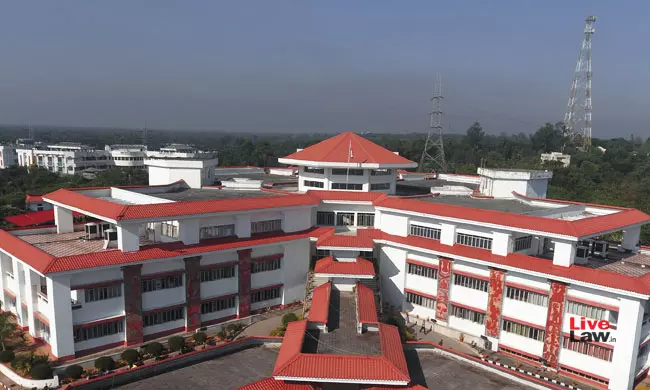
In a landmark judgment, the Tripura High Court ruled that the state government is bound to implement the Human Rights Commission’s recommendation to pay compensation to the family of a prisoner who took his own life while in custody. The deceased, a migrant laborer, had alleged discriminatory treatment and denial of medical assistance, claims that were initially dismissed by lower courts. The commission’s investigation concluded that systemic neglect contributed to the tragedy, prompting the court to order a monetary award and a directive for the prison administration to review its protocols.
The decision has been hailed by human‑rights advocates as a significant step toward ensuring that custodial institutions adhere to basic standards of care. Legal scholars point out that the ruling reinforces the principle that state actors cannot evade responsibility for violations of fundamental rights, even when those violations occur within the confines of a correctional facility. The court also ordered an independent audit of the prison’s health services, signalling a broader institutional shift.
Following the verdict, the Tripura government announced plans to establish a grievance redressal mechanism for inmates and to train prison staff on humane treatment and medical emergency response. Other Indian states are watching closely, as the judgment may inspire similar legal challenges and compel governments to adopt more robust safeguards for detainees. The case could ultimately reshape the of custodial accountability across the nation.
Comments 0