Trump Bars U.S. Firms From Overseas Data Centres, Citing China Threat
President Donald Trump announced a prohibition on American companies building data centres outside the United States, warning that such moves would empower China. The declaration sent shockwaves through the tech sector, prompting immediate reassessment of overseas investment strategies.
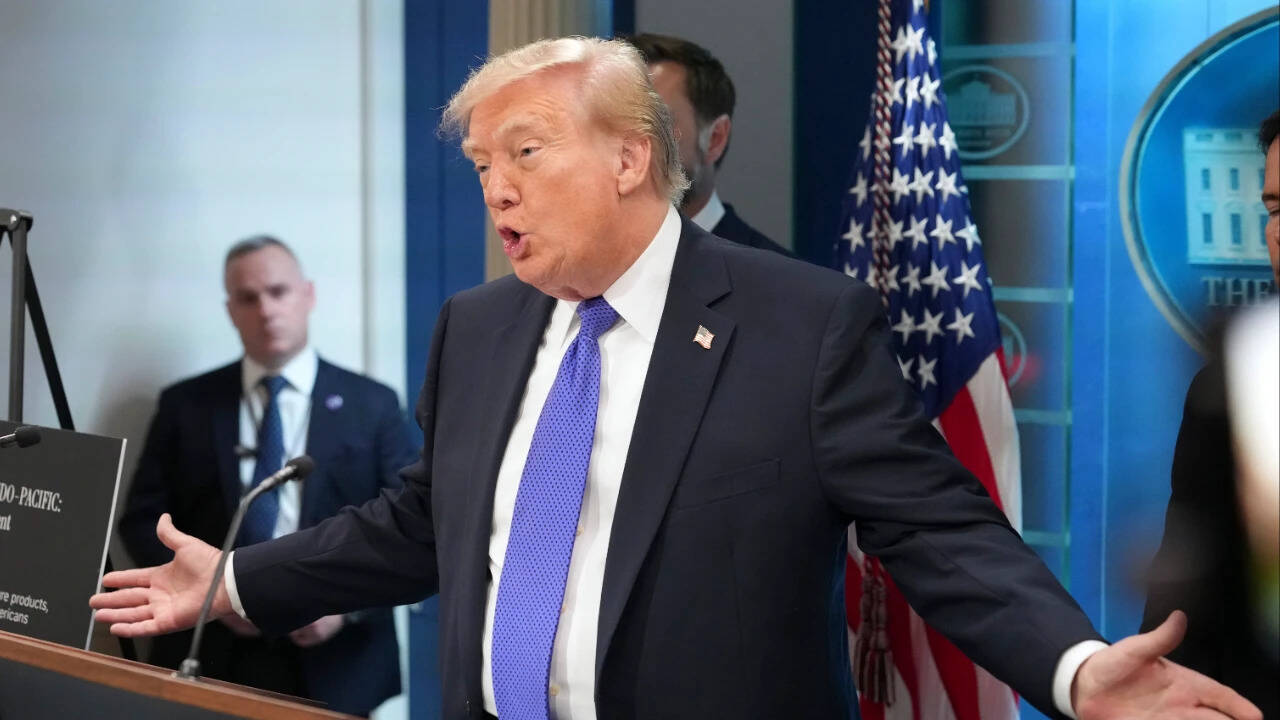
The White House briefing on Thursday placed data sovereignty at the centre of national security, asserting that foreign‑hosted facilities could expose sensitive information to hostile actors. Executives from leading cloud providers were summoned to discuss contingency plans, while lawmakers drafted legislation to codify the executive order. The policy shift arrives amid heightened geopolitical rivalry, and its timing coincides with renewed scrutiny of supply‑chain dependencies that have long troubled policymakers.
Industry analysts predict a cascade of project cancellations, as firms scramble to relocate infrastructure or seek exemptions. Companies that had earmarked substantial capital for data hubs in Europe and Southeast Asia now confront regulatory uncertainty, potentially delaying service rollouts and inflating costs for end users. The move also threatens to reshape global competition, granting domestic rivals a relative advantage while foreign competitors may accelerate their own sovereign cloud initiatives.
In the longer view, the edict could reshape the architecture of the internet, compelling a fragmentation of data flows along national lines. Investors are likely to monitor the policy's durability, as any reversal could trigger a rapid reallocation of capital. Within twelve months, the United States may witness a measurable contraction in cross‑border data‑centre projects, reinforcing a trend toward digital isolation that could reverberate through trade negotiations and technology standards.
Comments 0