Trump’s Paris Warning: Rhetorical Escalation Amidst French Civil Unrest
President Trump has intensified his public criticism of President Macron, declaring that Paris will soon become a Muslim city, a statement that lands as riots spiral out of control in France. This rhetorical intervention transforms a domestic French crisis into a transatlantic diplomatic flashpoint, complicating efforts to stabilize the region.
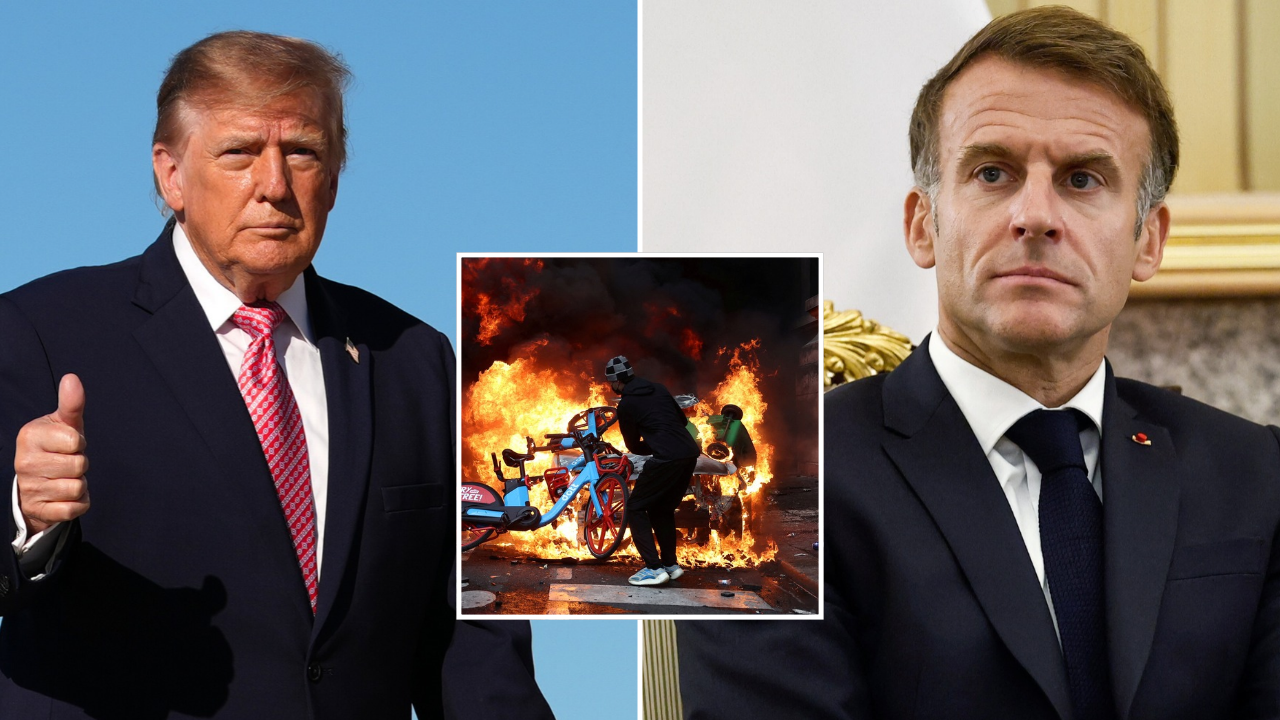
The intervention of the American president in French domestic affairs marks a significant departure from traditional diplomatic restraint, as Trump’s comments on the demographic future of Paris have drawn sharp rebukes from European leaders. This statement, made against the backdrop of escalating riots in France, serves to amplify the existing social tensions, framing a complex issue of integration and security through a lens of civilizational conflict. The timing of these remarks, coinciding with a period of heightened civil unrest, suggests a strategic intent to leverage the crisis for domestic political gain while undermining the authority of a key ally.
The underlying friction between Washington and Paris has long simmered over issues of trade, defense, and foreign policy, but the current episode reveals a deeper ideological rift regarding the role of the state in managing social cohesion. Macron’s government is already grappling with the challenge of maintaining public order while addressing the grievances of marginalized communities, and the external pressure from the White House adds a layer of diplomatic embarrassment. This dynamic forces the French leadership to navigate a narrow path between appeasing domestic critics and preserving the integrity of the transatlantic relationship.
The tangible outcome of this rhetorical escalation is a further erosion of trust between the two nations, with European partners likely to view the comments as an overreach that undermines their sovereignty. For the citizens of Paris and other affected cities, the immediate impact is a heightened sense of insecurity and a deepening of the divide between the political establishment and the populace. The downstream consequence is a potential realignment of European political forces, as parties on the right and left alike may seek to capitalize on the perceived weakness of the current government in the face of external interference.
Comments 0