Trump's Peace Push: A Strategic Retreat from European Defense Commitments
US President Donald Trump has urged Russian President Vladimir Putin to halt military aggression, framing it as a prerequisite for a Ukraine peace deal. Simultaneously, Washington is postponing a major overhaul of its military footprint in Europe, signaling a shift in transatlantic defense dynamics.
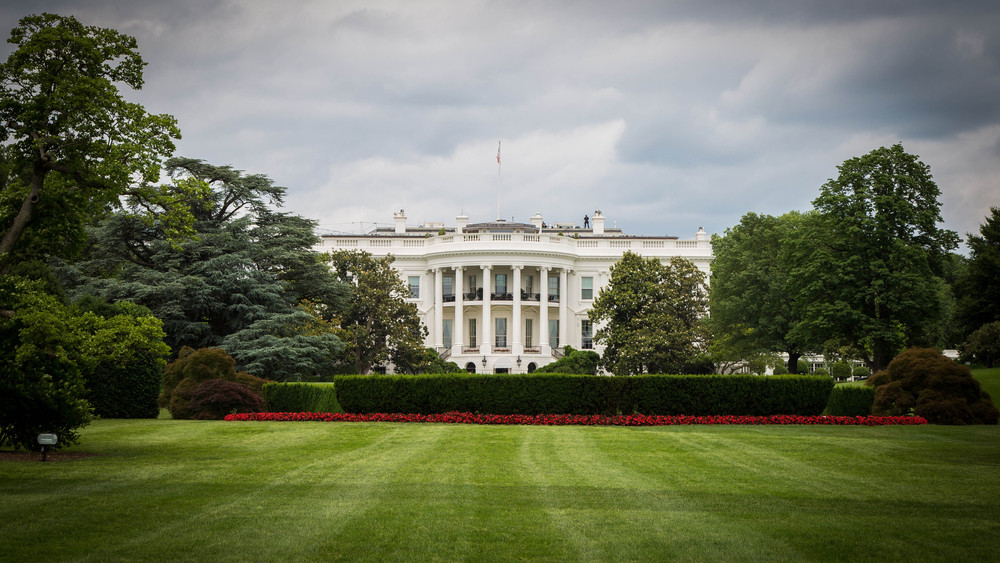
The concrete rupture in the transatlantic alliance is the US administration's dual-track approach to the Ukraine conflict. President Trump has directly appealed to President Putin to end military aggression, positioning this as the key to a peace deal. This diplomatic maneuver is coupled with a strategic decision to postpone a significant overhaul of the US military presence in Europe, a move that has sent ripples through NATO capitals.
The underlying tension is the growing divergence between US and European security priorities. While Europe braces for potential US military cuts, it is left to shoulder a greater burden of its own defense. This friction is not new, but it has been exacerbated by the current administration's focus on domestic issues and a transactional approach to foreign policy. The institutional friction is evident in the strained communications between Washington and its European allies, who are seeking reassurances of continued support.
The downstream casualties are the European nations that may face increased defense spending and a sense of strategic isolation. The tangible outcome is a potential realignment of global power dynamics, with Europe forced to develop greater military autonomy. This shift could have far-reaching implications for the balance of power in the region, potentially emboldening adversarial states and complicating future diplomatic efforts.
Comments 0