Turkey Prepares to Fill the Strategic Vacuum Left by American Retrenchment in the Middle East
As Washington signals a definitive reduction in its military and diplomatic footprint across the Middle East, Ankara is aggressively expanding its regional influence. This geopolitical realignment alters traditional security architectures from the Levant to the Persian Gulf.
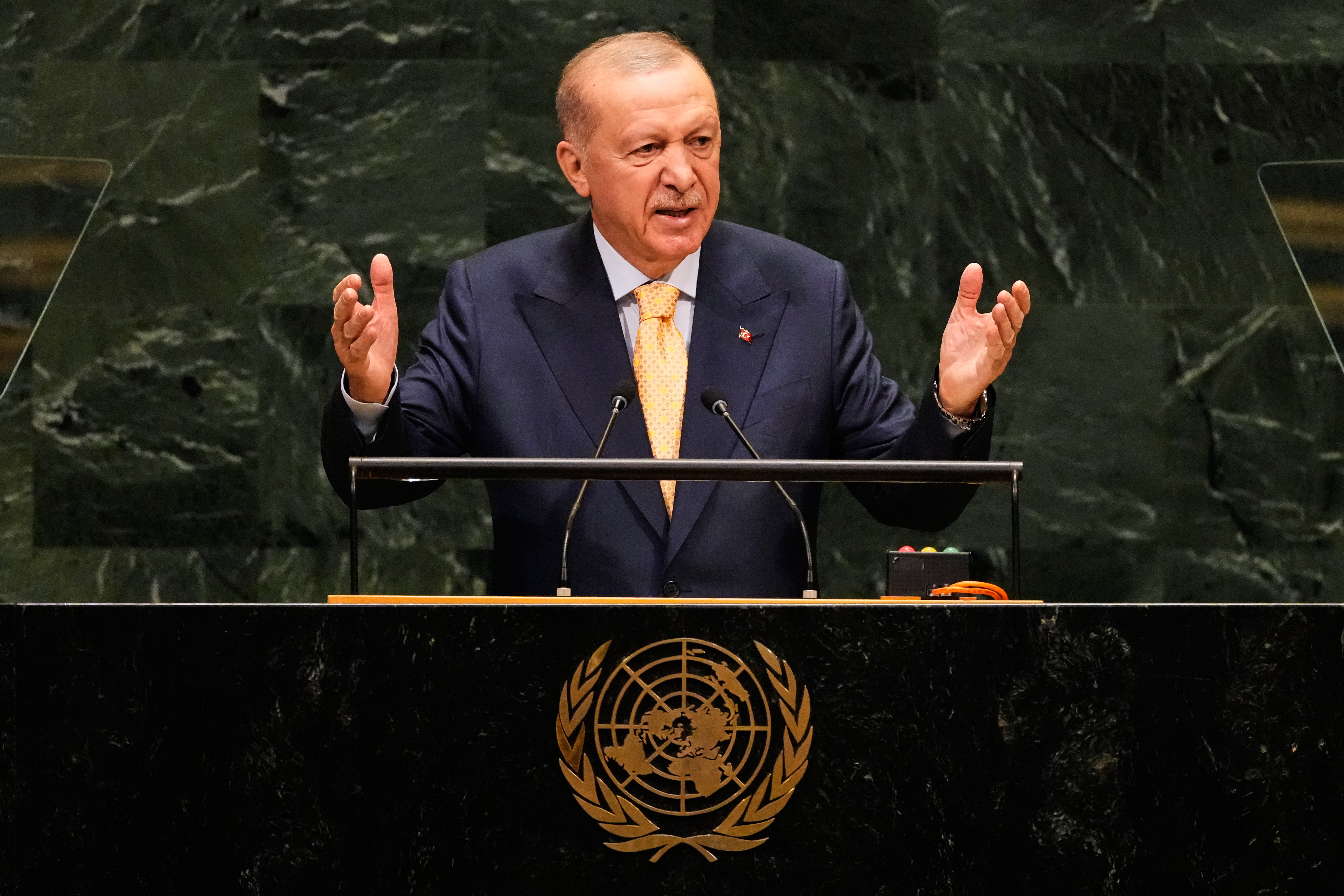
Decades of American military dominance and security guarantees in the Middle East are quietly giving way to a more fragmented, multipolar reality. Benefiting from the strategic distraction and exhaustion of traditional powers following protracted regional conflicts, Ankara has positioned itself as an indispensable diplomatic and military broker. Turkish policymakers are leveraging industrial defense capabilities and proactive foreign policy maneuvers to establish security corridors independent of Western command structures. This assertive posture exploits the power vacuum left by a United States eager to pivot its strategic priorities toward East Asia. Regional capitals, long accustomed to relying on Washington for ultimate arbitration, now find themselves negotiating directly with Turkish emissaries over trade routes, energy pipelines, and counter-terrorism initiatives. The strategy combines hard military power projection in border zones with sophisticated economic diplomacy across the Gulf states. The tangible outcome of this shift is the erosion of traditional alliance systems and the emergence of transactional regional blocs. Smaller states must now navigate Ankara's growing orbit, recalibrating their foreign policies to align with a resurgent Ottoman-era ambition. Western capitals risk losing leverage over critical maritime trade chokepoints and energy transit hubs as Turkey solidifies its position as the primary security arbiter of the region.
Comments 0