Turkmenistan Nears First Gas Flow on $10 Billion TAPI Pipeline to Afghanistan
Turkmen officials announced that a key segment of the Turkmenistan‑Afghanistan‑Pakistan‑India (TAPI) pipeline is set to begin delivering natural gas to Afghanistan’s third‑largest city by early 2027. The development, achieved despite years of delays, promises to reshape regional energy trade and bolster Afghanistan’s energy security.
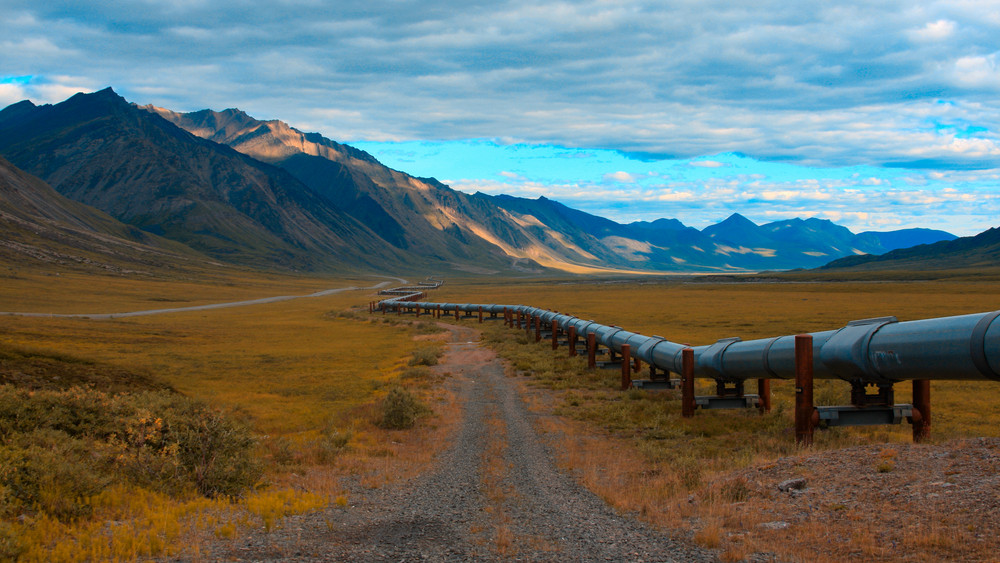
Turkmen authorities disclosed that the 1,814‑kilometre TAPI conduit will commence gas transmission to Afghanistan’s Herat region as early as the first quarter of 2027, marking the inaugural flow of Turkmen natural gas beyond its borders under the multilateral project. The segment, stretching from Turkmenistan’s gas‑rich fields to the Afghan border, has undergone final pressure testing and received clearance from both Turkmen and Afghan regulatory bodies. Officials highlighted that the forthcoming delivery will satisfy an estimated 1.2 million cubic metres per day, providing a stable energy source for households and industry in western Afghanistan.
The pipeline’s progress arrives after a protracted saga of diplomatic wrangling, financing shortfalls, and security concerns that have plagued the venture since its inception in 2013. Funding gaps were partially bridged by a consortium of Asian development banks, while Pakistan and India have each pledged to secure transit agreements despite lingering mistrust over water‑resource allocations and border stability. The recent milestone also reflects a thaw in Turkmen‑Afghan relations, facilitated by shared economic interests that outweigh lingering geopolitical rivalries with neighbouring powers.
Once operational, the TAPI corridor is poised to alter the energy calculus of South‑Central Asia, offering Afghanistan a reliable alternative to diesel generators and reducing its dependence on costly imports. For Turkmenistan, the pipeline opens a lucrative export market, potentially increasing its gas revenues by billions of dollars annually. The project may also serve as a confidence‑building conduit, encouraging further infrastructure collaboration among the four nations, though any resurgence of regional tension could jeopardise the flow and prompt renegotiations of transit tariffs.
Comments 0