Hereditary Legacy Intercepted as Tushar Gandhi Detained Ahead of Mumbai Solidarity March
Activist Tushar Gandhi was detained by Mumbai police prior to joining a solidarity demonstration organized by Citizens for Justice and Peace. The preventive action against the Mahatma's great-grandson highlights the shrinking tolerance for public civil disobedience in metropolitan centers.
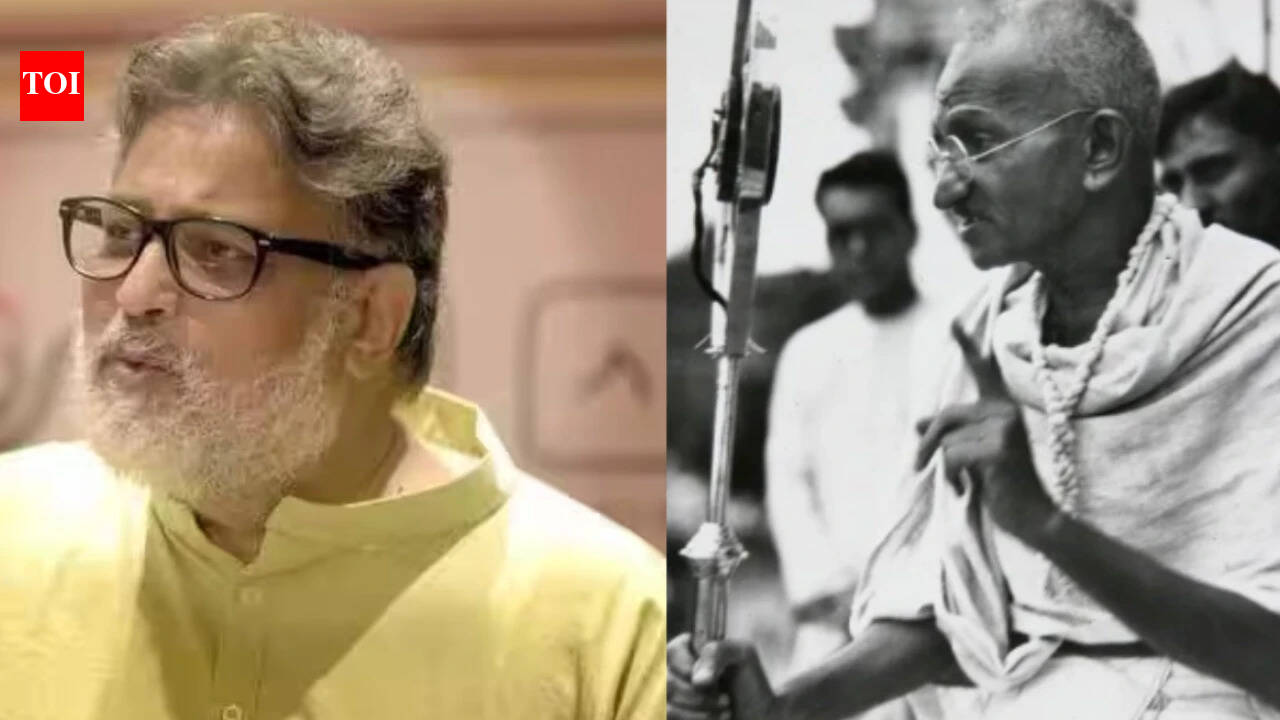
The streets of Mumbai witnessed heightened security deployments as law enforcement personnel intercepted Tushar Gandhi near his residence. The prominent activist and great-grandson of Mahatma Gandhi was en route to participate in a peaceful solidarity march convened by the Citizens for Justice and Peace. Authorities acted swiftly to prevent the assembly, citing potential traffic disruptions and the lack of requisite permissions for the gathering. The detention swiftly drew condemnation from various civil rights groups who viewed the intervention as an infringement on the constitutional right to peaceful assembly and dissent.
The confrontation lays bare the deepening friction between civic advocacy networks and urban administrative machinery. As civil society organizations attempt to mobilize public opinion around institutional accountability and minority rights, municipal authorities increasingly deploy preventive detentions to neutralize potential flashpoints. This pattern suggests a systemic preference for preemptive containment over democratic negotiation, narrowing the operational space available to activists and moral authorities alike. The targeting of figures with profound historical lineages further illustrates the administration's unwillingness to grant institutional exceptions for prominent dissenters.
The immediate aftermath has catalyzed legal challenges and renewed debates regarding the misuse of preventive policing powers in urban governance. Organizers are recalibrating their strategies to circumvent physical containment through decentralized digital campaigns and localized vigils. For the broader political , the incident reinforces the perception of a tightening civic environment where historical symbolism offers no immunity against administrative enforcement.
Comments 0