Twin failures cripple Mumbai’s commuter rail network
A fire at Kanjurmarg and a wire snag on the Mulund‑Thane line forced cancellation of 80 local services, stranding thousands of passengers. The incident exposed chronic infrastructure fragility in the city’s rail system.
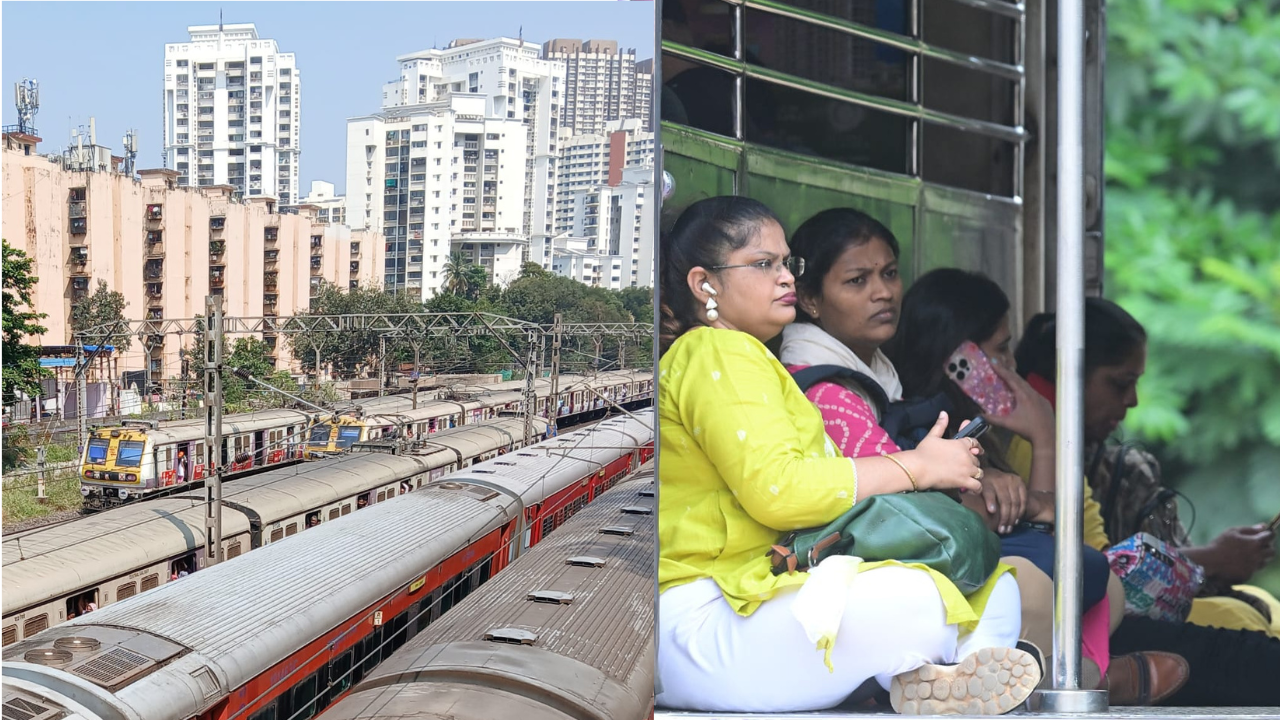
On a busy weekday morning, a blaze erupted at the Kanjurmarg signal cabin, disabling twenty‑four electronic signals and halting trains that rely on that corridor. Simultaneously, a wire snag on the Mulund‑Thane stretch caused a separate outage, prompting railway officials to suspend additional services to ensure safety. In total, eighty local trains were withdrawn from operation, leaving commuters to seek alternative transport or endure lengthy delays on the congested road network.
The disruptions have reignited a long‑standing debate over the maintenance regime of Mumbai’s suburban railway, which carries over seven million passengers daily. Critics point to aging equipment, insufficient funding, and bureaucratic inertia as root causes of the recent failures. Railway authorities have pledged an immediate audit of signalling infrastructure, yet past reports suggest that systemic upgrades have been repeatedly postponed in favour of short‑term fixes.
Beyond the immediate inconvenience, the outage carries economic repercussions for the metropolis. Business districts reported a dip in foot traffic during peak hours, while logistics firms faced delayed shipments. Politicians from the state government have faced renewed pressure to allocate substantial resources toward a comprehensive modernisation plan, a move that could reshape the city’s transport and influence future urban development strategies.
Comments 0