UK Champions Global Levies on Polluters to Fund Climate Resilience
The United Kingdom is spearheading a diplomatic campaign to impose small global levies on polluting industries, aiming to redirect capital toward climate adaptation in the Global South. This initiative challenges the current voluntary framework of climate finance and seeks to institutionalize a new mechanism for burden-sharing among industrialized nations.
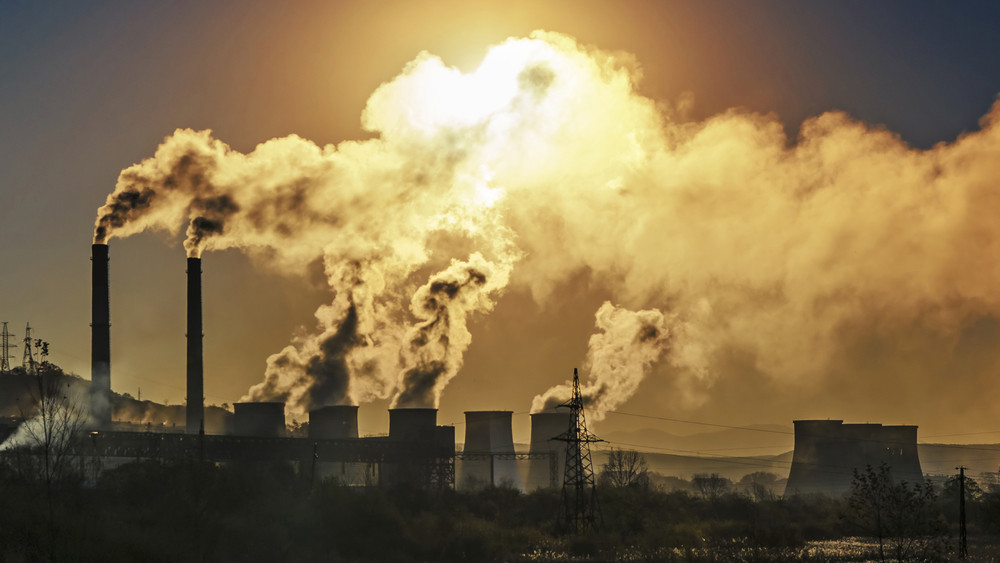
The concrete rupture is the formalization of a financial instrument that moves beyond voluntary pledges. The UK is leading a drive to have countries consider small levies on polluting industries globally, a move designed to raise funding for climate initiatives in developing countries. This is a significant departure from the current system, where climate finance is often seen as a charitable obligation rather than a structural requirement. By targeting polluting industries directly, the proposal shifts the burden from general tax revenues to specific sectors responsible for emissions, creating a more direct link between cause and consequence.
The underlying tension lies in the resistance from industrialized nations that rely on these sectors for economic growth. The proposal faces institutional friction from trade bodies and industry lobbies who argue that such levies will distort global markets and reduce competitiveness. The UK's push is also a strategic move to maintain its influence in global climate governance, positioning itself as a leader in the post-Paris Agreement era. The friction is not just economic but political, as it requires a consensus that many nations are unwilling to reach, particularly those with large fossil fuel dependencies.
The downstream casualties are the developing nations that are the worst affected by climate change but have the least capacity to adapt. If the levies are implemented, they could provide a steady stream of funding for infrastructure projects that protect against rising seas and extreme weather. However, if the initiative fails, it will further erode trust in the international climate regime. The tangible outcome is a potential new source of revenue for climate adaptation, but its success depends on the ability of the UK to build a coalition of willing nations who are prepared to accept a new financial burden in exchange for global stability.
Comments 0