Umpire’s Celebration with Pakistan Sparks Indian Protest Over Asia Cup Neutrality
During the trophy presentation of the blind cricket Asia Cup, the match umpire was seen cheering alongside the Pakistani side, prompting the Indian team to walk out in protest. The incident has ignited a debate within the sport’s governing bodies about impartiality and procedural safeguards.
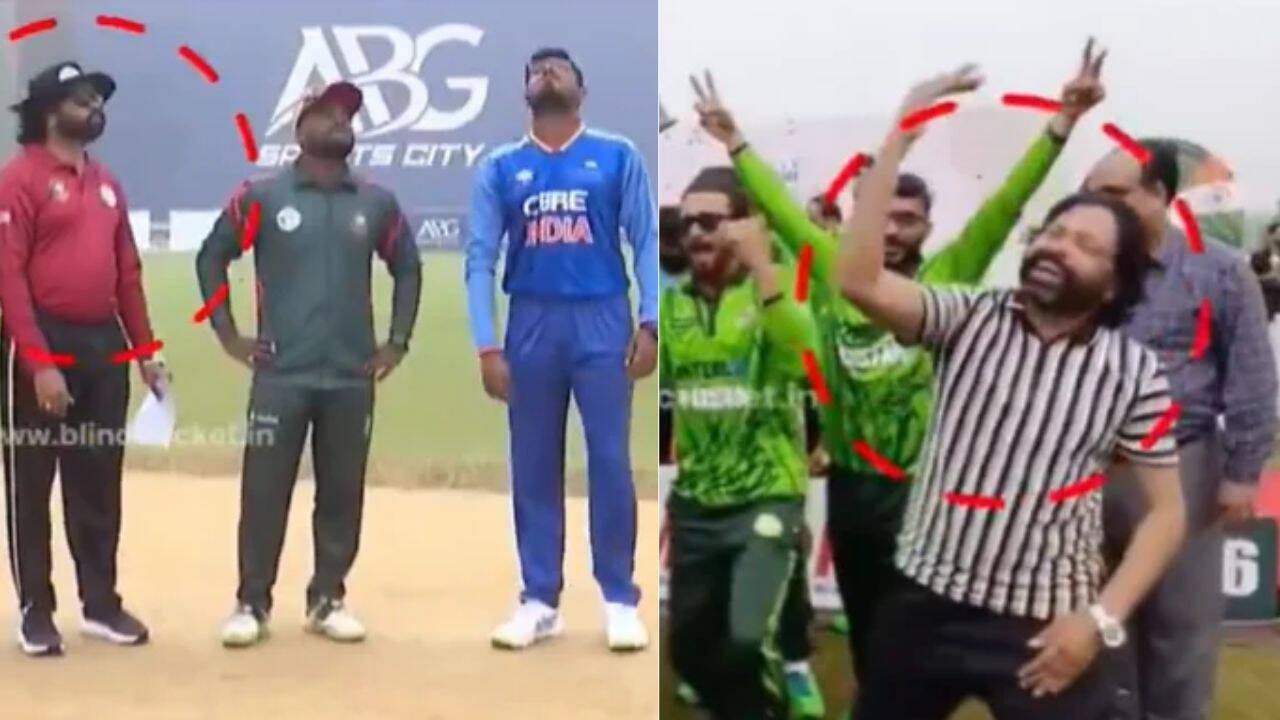
The final match concluded with Pakistan lifting the Asia Cup, and the appointed umpire stepped forward to applaud the victors, a gesture captured on broadcast and instantly shared across social media. Indian players, already uneasy about several contentious decisions during the game, interpreted the celebration as a breach of professional decorum and withdrew from the podium. The immediate fallout included a formal complaint lodged by the Indian cricket federation and a surge of commentary demanding an inquiry.
Beneath the surface lies a deeper tension between the sport’s administrative structures and the expectations of fairness among its participants. The blind cricket council, which oversees the tournament, has long grappled with limited resources and a reliance on volunteers, factors that can blur the lines of accountability. Critics argue that the umpire’s conduct reflects a systemic weakness in enforcing neutrality, especially in matches featuring historic rivals. The episode also arrives at a time when broader geopolitical strains between India and Pakistan are influencing sporting exchanges, adding a layer of sensitivity to any perceived partiality.
Consequences are already emerging. The council has announced a review of its officiating protocols, including the possibility of appointing neutral umpires from third‑party nations for future finals. Sponsors have expressed concern, warning that repeated controversies could jeopardise financial backing. For the athletes, the incident may affect morale and participation rates, as blind cricketers seek assurance that their competitions are governed by transparent and unbiased standards.
Comments 0