AI Surge Drives Global Power‑Grid Investment Plans
The rapid expansion of artificial‑intelligence workloads is projected to lift worldwide electricity demand by more than 10,000 terawatt‑hours within a decade, compelling utilities to embark on unprecedented grid‑upgrade programmes. Investors are racing to fund transmission and storage projects that can accommodate the new load curves.
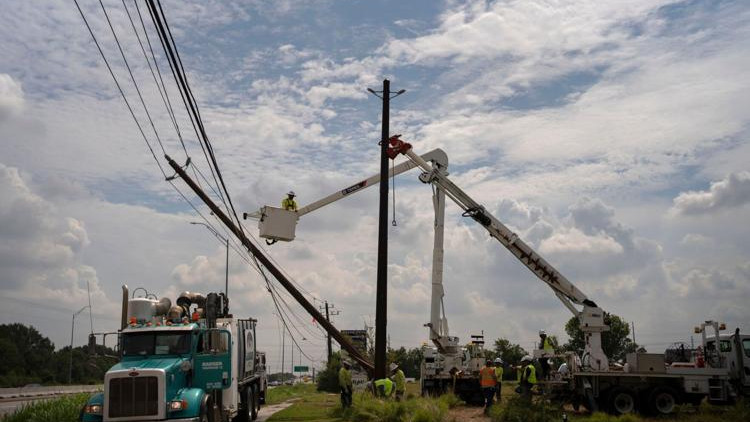
Industry analysts have warned that the surge in data‑center construction, driven by generative‑AI services, will add a staggering volume of power consumption to already strained networks. The forecast of an additional 10,000 terawatt‑hours over ten years translates into billions of dollars earmarked for high‑voltage lines, substations and battery installations across continents. Early adopters such as the United States, China and several European nations have already announced multi‑billion‑dollar plans to reinforce their transmission corridors, citing the need to avoid bottlenecks that could curtail AI service availability.
The underlying tension stems from a clash between the private sector’s appetite for rapid AI deployment and the public utilities’ capacity to modernise ageing infrastructure. Regulatory bodies are grappling with permitting delays, while environmental groups raise concerns about the ecological footprint of new transmission routes. Moreover, the capital‑intensive nature of grid upgrades forces utilities to seek financing from sovereign wealth funds and private equity, reshaping the traditional funding of the energy sector.
The downstream impact will be felt across multiple layers of the economy. Reliable power delivery will enable AI‑driven enterprises to scale, potentially accelerating productivity gains in manufacturing, finance and health care. Conversely, regions that lag in grid reinforcement risk being left behind, widening the digital divide. Energy markets are also likely to experience price volatility as demand spikes outpace supply, prompting policymakers to reconsider tariff structures and incentivise renewable integration to meet the heightened load.
Comments 0