Unchecked Educational Experiments: Artificial Intelligence Enters Classrooms Ahead of Institutional Rigor
School districts across the nation are rapidly integrating generative artificial intelligence into classroom instruction despite a severe scarcity of empirical research on long-term cognitive outcomes. The unregulated rollout creates sharp disparities in student learning and exposes educational systems to institutional liability.
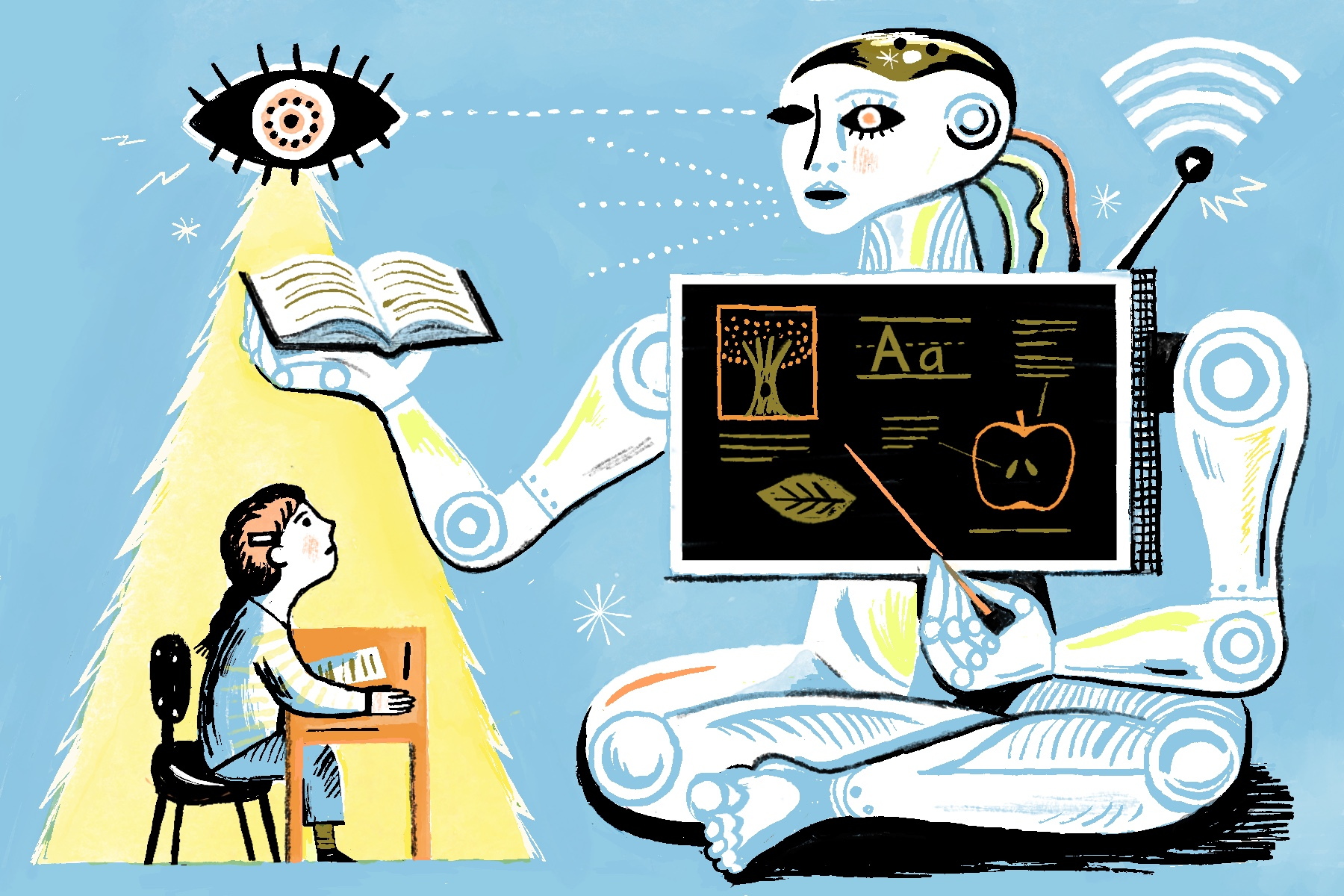
A widespread public experiment is unfolding across public education as school boards adopt artificial intelligence software for lesson creation, student grading, and direct automated tutoring. Teachers and administrators have embraced conversational models to lighten administrative burdens, integrating algorithms into daily pedagogy without waiting for formal efficacy studies. This institutional land rush bypasses traditional curriculum validation frameworks usually required for educational technology adoption. Underneath this rapid adoption lies intense friction between commercial technology vendors pressing for market capture and educational researchers raising alarms over cognitive development. School administrators, squeezed by budget constraints and staffing shortages, increasingly rely on automated platforms to fill instructional gaps. However, the absence of standardized testing benchmarks leaves districts unable to quantify whether algorithmic feedback genuinely improves critical thinking or merely engenders passive reliance. The tangible consequences fall heaviest on student populations, where unequal access to verified digital tools widens existing achievement gaps. Public school systems face growing regulatory risks regarding student data privacy and algorithmic bias in automated grading systems. As private tech vendors collect massive datasets on student performance, municipal boards face eventual legal battles over data governance and pedagogical integrity.
Comments 0