United States Air Force Conditions Future Operational Doctrine on Operator Trust in Autonomous Agents
The United States Air Force is overhauling its operational doctrine to build foundational trust between military airmen and autonomous artificial intelligence agents. Future combat readiness increasingly relies on operator willingness to delegate tactical decisions to machine systems.
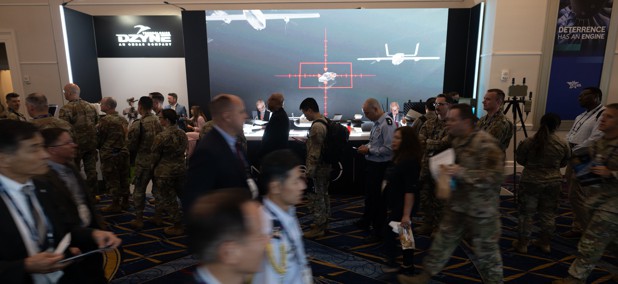
Military modernization programs have successfully integrated autonomous flight systems, yet human operators routinely override algorithmic recommendations during high stress scenarios. Air Force leadership recognizes that technological superiority is worthless if personnel refuse to relinquish manual control. The service is rewriting training manuals and command permissions to normalize human machine teaming. Traditional military hierarchies are built on personal accountability and chain of command, which clash with probabilistic machine learning outputs. Senior commanders must establish legal and operational frameworks that define liability when autonomous agents commit tactical errors. This cultural resistance within the officer corps represents the primary bottleneck to full autonomy adoption. The tangible consequence of this doctrinal shift will be the rapid deployment of autonomous wingman drones across active combat squadrons. Human pilots will transition from tactical operators to supervisory managers of robotic swarms. Downstream defense contractors must redesign human machine interfaces to prioritize psychological trust and transparent reasoning over raw computational speed.
Comments 0