Up to 90% corpus withdrawal allowed in major PF reform
The latest provident fund reform permits members to withdraw up to 90 percent of their corpus under certain conditions. The waiting period for encashment after job loss has been reduced to two months.
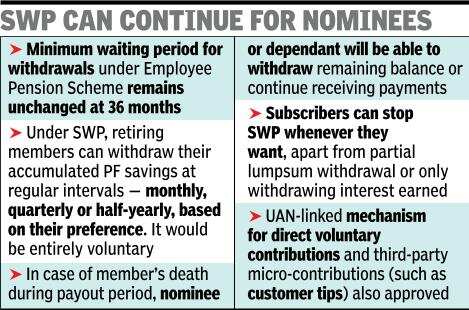
The government’s recent amendment to the Employees’ Provident Fund scheme introduces a major change for workers who face unemployment or other financial pressures. Under the new rules, members can request to withdraw up to ninety percent of the total corpus if they meet specific eligibility criteria, such as medical emergencies or the need to fund higher education. The reform also shortens the mandatory waiting period for encashment after a job loss from the previous six months to just two months, allowing quicker access to savings.
These changes come after years of debate among policymakers, labor unions and financial experts about the balance between long‑term retirement security and short‑term liquidity needs. Critics argue that allowing large withdrawals could undermine the fund’s ability to provide a stable retirement income, while supporters claim that greater flexibility will help workers cope with unexpected hardships. The amendment also includes safeguards to prevent misuse, such as requiring documentation for the purpose of withdrawal and limiting the frequency of large cash‑outs.
For the average employee, the reform means that a significant portion of their retirement savings can now be accessed more rapidly during periods of financial distress. Financial advisors recommend that workers assess their long‑term goals before deciding to withdraw a large sum, as doing so may affect the compounding benefits of the fund. The next step will be to observe how quickly banks and EPF offices implement the new procedures and whether the uptake of the withdrawal option meets the expectations set by the government.
Comments 0