Urban Gridlock: Bengaluru Mobility Crisis Chokes Technological Productivity
The persistent degradation of urban mobility in Bengaluru threatens its status as India premier technology hub; daily commutes consume hours of productive labor.
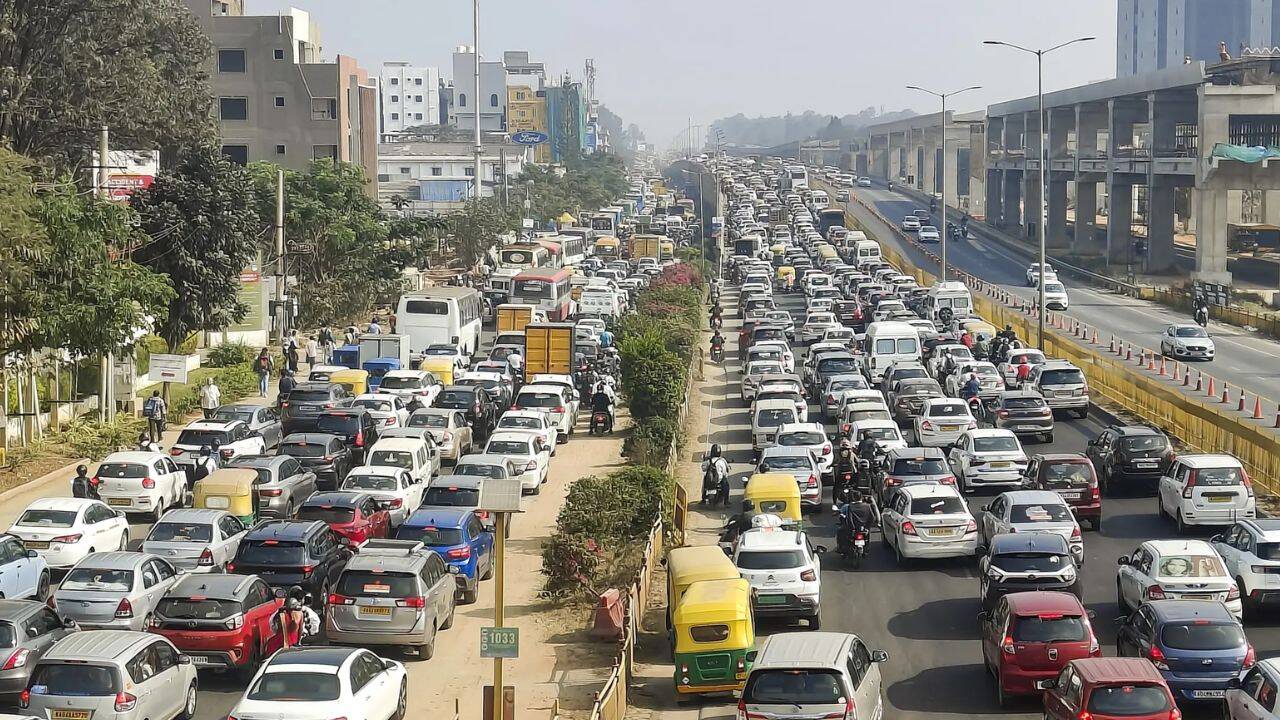
Bengaluru stands as a striking paradox of modern economic development, pairing world-class corporate campuses with medieval infrastructure. Millions of knowledge workers navigate congested arterial roads daily, turning routine transit into a grueling test of endurance. Poor spatial planning and unchecked vehicular growth have pushed the city transit networks past their breaking point, reducing average commuting speeds to a crawl. The friction driving this crisis stems from a chronic mismatch between municipal tax generation and infrastructure reinvestment. While the technology sector generates immense national revenue, civic governance remains fragmented among competing municipal bodies with overlapping jurisdictions and limited fiscal autonomy. Public transport investments consistently lag behind private vehicle proliferation, while pedestrian pathways disappear beneath uncoordinated commercial encroachments. The tangible outcome of this systemic failure is a quiet hemorrhage of talent and corporate investment toward competing urban centers. Employers increasingly report productivity losses as exhausted engineers spend significant portions of their waking hours trapped in gridlock. Without a radical overhaul of municipal governance and public mass transit, the city risks strangling the very economic engine that powered its meteoric rise.
Comments 0