US Accuses Europe of Abandoning Joint Tariff Strategy Against India and China
US Treasury Secretary Scott Bessent has criticized European nations for refusing to align with a proposed tariff regime targeting India and China over Russian oil imports. This diplomatic rift exposes a growing divergence in transatlantic economic policy, with the US seeking to isolate Moscow through trade barriers while Europe prioritizes energy security and market access.
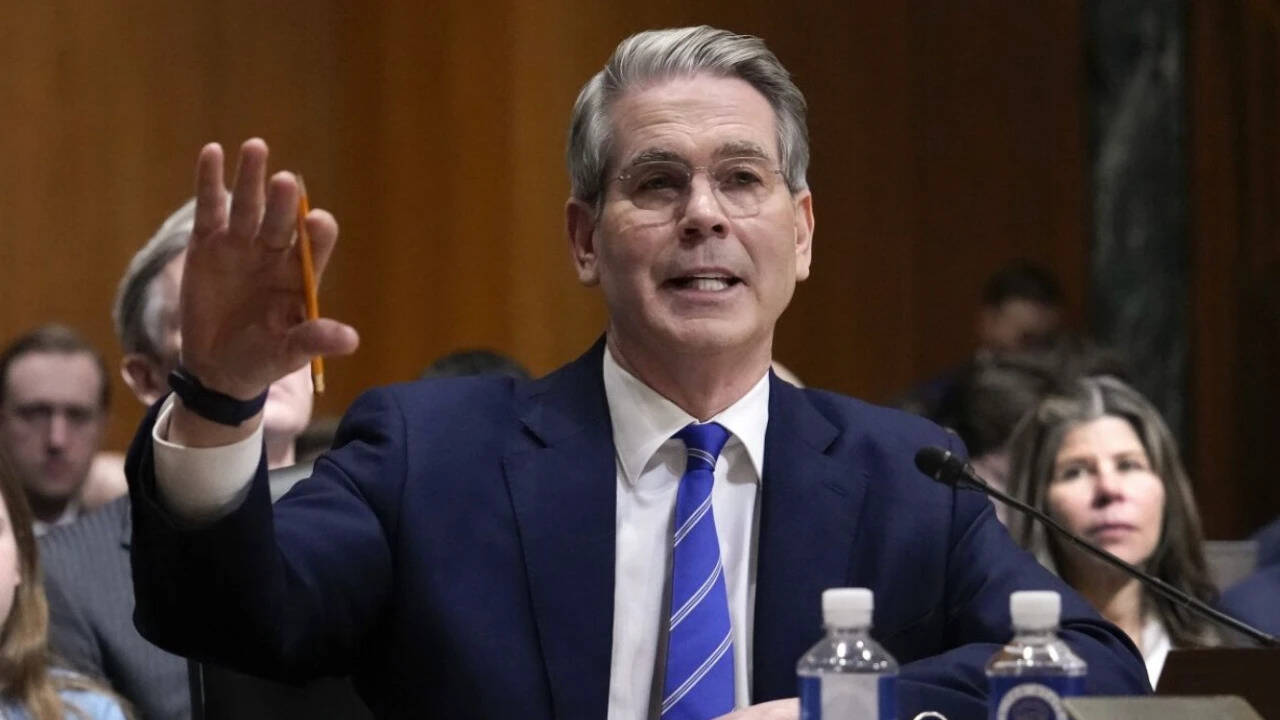
The transatlantic economic alliance is showing visible cracks as the United States presses for a unified front against Russia’s oil revenue streams, a strategy that directly implicates major buyers like India and China. Treasury Secretary Scott Bessent’s public criticism of European reluctance highlights a fundamental disagreement on how to leverage trade policy as a tool of geopolitical pressure. The US position is clear: tariffs must be imposed to choke off the financial lifeline of the Russian state, regardless of the collateral damage to global supply chains and the economic interests of partner nations.
Europe’s refusal to join this push is rooted in a pragmatic assessment of its own vulnerabilities. European economies are heavily dependent on stable energy prices and diversified trade relationships, making a blanket tariff strategy against India and China a potential self-inflicted wound. This institutional friction reveals a lack of shared strategic vision, where the US views the conflict through a lens of ideological containment, while Europe operates within the constraints of immediate economic survival and consumer stability.
The tangible outcome of this discord is a fragmented global trade environment where the US may unilaterally impose tariffs, creating a two-tiered system of economic access. For India and China, this presents a complex diplomatic challenge, as they must navigate the competing interests of their two largest trading partners. The downstream effect is a heightened risk of trade wars that could disrupt global markets, increase inflationary pressures, and force emerging economies to seek alternative alliances to mitigate the impact of Western economic coercion.
Comments 0