US Army Struggles to Integrate Data-Driven Tactics Across Units
Despite a strategic mandate to adopt data-centric operations, many US Army units lack the structural capacity to implement these changes effectively. This gap between policy and practice highlights the institutional challenges of modernizing military capabilities.
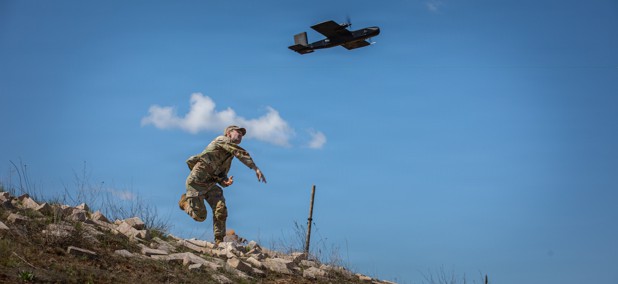
The US Army is grappling with a significant challenge in its efforts to integrate data-driven tactics across its various units. While the military has issued a clear directive for its forces to leverage data more extensively, many units are not structurally equipped to carry out this mandate. This disconnect between strategic intent and operational reality underscores the difficulties of transforming a large, complex organization to meet the demands of modern warfare. The Army's push for data-centric operations is part of a broader effort to enhance situational awareness, decision-making speed, and overall combat effectiveness in an increasingly digital battlefield.
The underlying tension in this transformation stems from the inherent friction between traditional military structures and the agile, technology-driven approaches required for data utilization. Many units are built on hierarchical command systems and established protocols that are not easily adaptable to the rapid flow and analysis of data. This institutional inertia is compounded by the need for significant investment in training, technology, and cultural change. The Army must navigate these challenges while maintaining operational readiness, a task that requires careful planning and sustained effort.
The tangible outcome of this struggle is a potential gap in the Army's ability to fully realize the benefits of data-driven warfare. Units that fail to adopt these tactics may find themselves at a disadvantage in future conflicts, where speed and information superiority are critical. The Army's efforts to address this gap will likely involve a combination of technological upgrades, revised training programs, and organizational reforms. The success of these initiatives will be in determining the Army's future effectiveness and its ability to compete with peer adversaries who are also pursuing advanced data capabilities.
Comments 0