US Congressional Tariff Legislation Positions Asian Manufacturing in Congressional Crosshairs
New legislative mechanisms grant the American executive branch expanded tariff authorities that bypass traditional multilateral trade negotiations. The policy instrument specifically targets major manufacturing economies like India and China, threatening global supply chain stability.
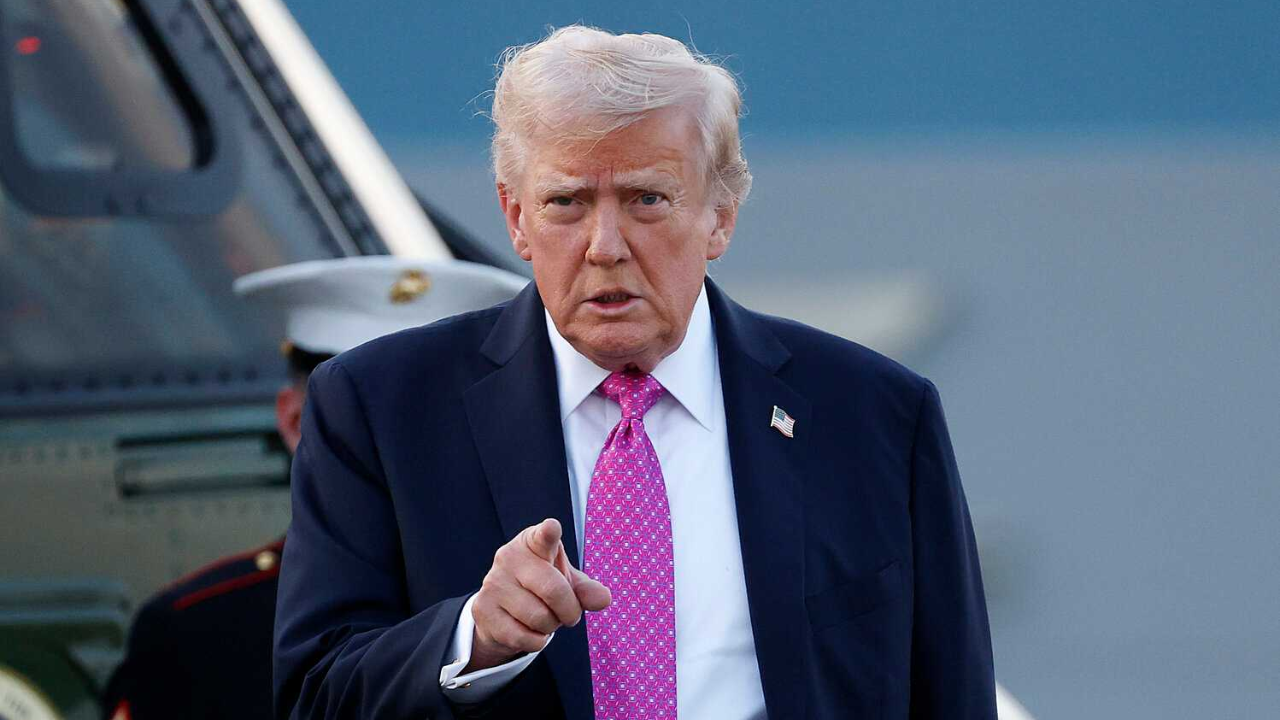
Legislative maneuvers on Capitol Hill have concentrated sweeping protectionist powers within the executive branch, dismantling decades of traditional trade consensus. By arming policymakers with immediate tariff triggers, the legislative branch has subordinated international trade agreements to domestic political expediency. Industrial exporters across Asia now operate under the constant threat of unilateral duties that can alter market access overnight without legislative debate or warning. This aggressive trade posture creates profound uncertainty for multinational corporations attempting to diversify manufacturing bases away from traditional hubs. Indian and Chinese export sectors must contend with a volatile regulatory environment where industrial policy is weaponized for geopolitical leverage. Financial markets are pricing in higher friction costs as companies establish complex hedging strategies against sudden tariff implementation. Global supply chains face structural fragmentation as nations retaliate with their own protective barriers, reversing decades of frictionless globalization. Emerging manufacturing economies outside the direct crosshairs may experience short-term gains, but aggregate global demand contracts under the weight of rising consumer prices. The ultimate casualty of this legislative shift is the predictable rules-based international trade order that governed commerce for the past half-century.
Comments 0