U.S. Energy Department Urges Refineries to Raise Diesel Output as Prices Surge
The United States Department of Energy called on domestic refineries to increase diesel production in response to soaring fuel prices, aiming to alleviate market pressure. The appeal reflects mounting concerns over supply constraints and inflationary pressures.
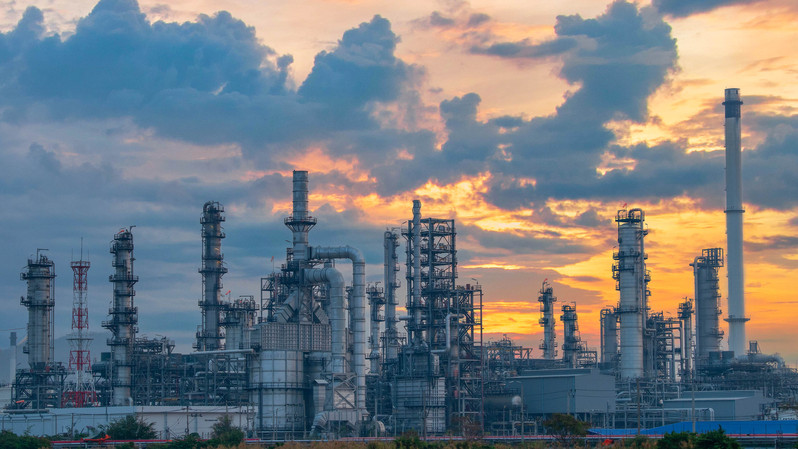
Amid a sharp climb in diesel prices that has strained both commercial transport operators and everyday motorists, the U.S. Department of Energy dispatched senior officials to engage with major refining firms, urging them to boost output of the fuel. The request, conveyed through a series of high‑level meetings, emphasized the strategic importance of stabilizing diesel supplies to curb inflationary trends that have been feeding through logistics costs and consumer prices. Industry leaders acknowledged the pressure but cited operational constraints, including maintenance schedules and feedstock availability, that limit rapid capacity expansion.
The push for higher diesel production emerges against a backdrop of tightening global oil markets, where geopolitical tensions and refinery outages have compressed supply margins. Simultaneously, the Federal Reserve’s monetary tightening has heightened sensitivity to fuel‑driven cost increases across the economy. Policymakers argue that a coordinated response from the refining sector could mitigate the risk of a prolonged price spike, which threatens to erode purchasing power and dampen economic growth. Critics, however, caution that forced output increases could compromise safety standards or lead to sub‑optimal product quality.
If refineries heed the Department’s appeal, the immediate effect could be a modest easing of diesel price inflation, offering relief to freight companies and consumers alike. In the longer term, the episode may prompt a reassessment of strategic fuel reserves and encourage investment in flexible refining capacity capable of adjusting output mixes swiftly. The episode also underscores the delicate interplay between energy policy, market dynamics, and broader economic stability, a balance that will continue to shape policy debates throughout the coming year.
Comments 0