US, Israel prepare for fresh Iran strikes as Tehran threatens with ‘Father of All Bombs’
The United States and Israel are coordinating possible military action against Iran after the upcoming U.S. midterm elections. Tehran has warned it will unveil a new weapon called the “Father of All Bombs,” raising regional tension.
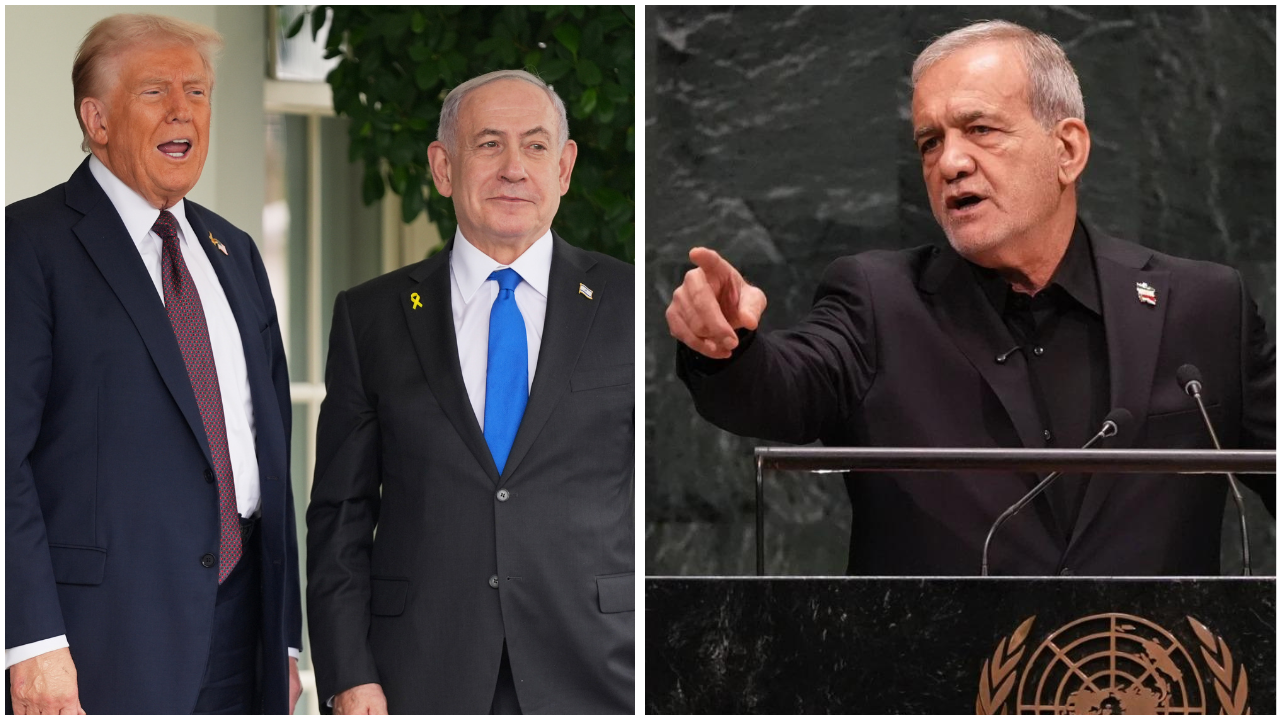
The United States Department of Defense and the Israeli government have begun high‑level consultations aimed at preparing for a potential strike on Iranian targets. The meetings took place shortly after U.S. Secretary of Defense Pete Hegseth met Israeli Prime Minister Benjamin Neta in Washington, where both sides reviewed intelligence reports that suggest Iran is close to testing a new explosive device. The timing of these talks coincides with the U.S. midterm election cycle, a period that often sees heightened diplomatic activity as policymakers seek to demonstrate resolve on security issues.
Iranian officials responded to the diplomatic overtures by announcing the development of a weapon they have termed the “Father of All Bombs.” While details about the device remain scarce, the name itself signals an intention to project a deterrent capability that could surpass existing conventional arsenals. Iranian state media have framed the announcement as a defensive measure against what they describe as hostile actions by the United States and its allies. Analysts note that the rhetoric may be aimed at rallying domestic support ahead of internal political pressures and to send a warning to regional opponents.
The escalation matters to readers in India because the Indian subcontinent sits within a broader strategic environment that includes both Iranian oil supplies and the presence of U.S. and Israeli naval forces in the Indian Ocean. Any disruption to shipping lanes or a broader conflict could affect Indian energy imports, trade routes, and the security of Indian expatriates living in the Middle East. Moreover, the situation underscores the importance of diplomatic channels that India maintains with both Tehran and Washington, highlighting how regional flashpoints can have direct economic and security implications for Indian citizens.
Comments 0