US Naval Commitments in the Pacific Erode Under Iran Conflict
The ongoing military engagement with Iran is draining US naval resources from the Western Pacific, creating a strategic vacuum that undermines deterrence against China. This shift in force posture exposes the limits of American global reach and raises serious concerns among regional allies regarding their security guarantees.
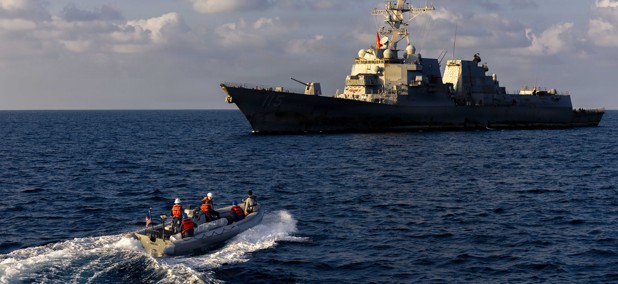
The concrete rupture in global strategic balance is the visible reduction of US naval presence in the Western Pacific due to the diversion of assets to the Iran conflict. As carriers and destroyers are redeployed to the Middle East, the Pacific theater experiences a thinning of the very forces that have anchored US deterrence for decades. This physical absence is not merely a logistical inconvenience; it is a signal to Beijing that the cost of American commitment is rising, potentially emboldening more aggressive posturing in the South China Sea and around Taiwan.
The underlying tension here is the structural impossibility of maintaining simultaneous high-intensity conflicts in two distant theaters with a finite naval fleet. The US military has long relied on the ability to project power globally, but the Iran engagement reveals the fragility of this model when faced with a determined adversary in a critical chokepoint. Allies in the Indo-Pacific, including Japan, South Korea, and Australia, are now forced to confront the reality that their security umbrella may be less robust than previously assumed, leading to a reassessment of their own defense capabilities and diplomatic alignments.
The downstream consequences of this strategic shift are profound for the regional order. The erosion of US naval dominance in the Pacific creates an opportunity for China to expand its influence and test the limits of its neighbors' resolve. This may accelerate the arms race in the region, with allies investing heavily in indigenous defense systems and seeking alternative security partnerships. The long-term outcome could be a more multipolar Asia, where the US role is diminished and regional powers play a larger role in shaping security dynamics.
Comments 0