U.S. Regulators Close United Fidelity Bank, Marking Largest Lender Failure in Two Years
The Federal Deposit Insurance Corporation ordered the shutdown of United Fidelity Bank after uncovering severe financial instability, sending ripples through global credit markets. The collapse has forced investors to reassess exposure to mid‑size U.S. lenders.
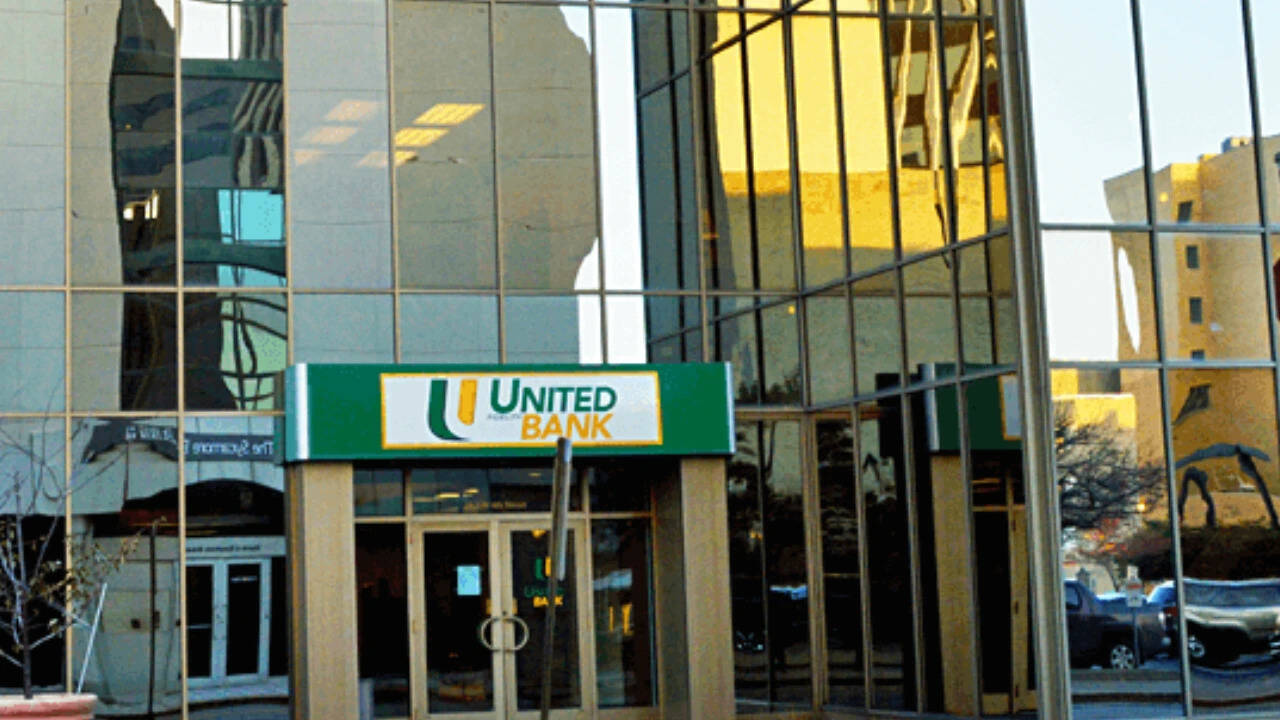
The concrete rupture occurred when regulators seized United Fidelity Bank’s assets, citing a cascade of loan defaults and inadequate capital buffers that rendered the institution insolvent. The abrupt closure left depositors scrambling for access to insured funds and triggered a sharp sell‑off in the shares of comparable regional banks, unsettling market confidence. The event was broadcast across financial news networks, highlighting systemic vulnerabilities in the U.S. banking sector.
Underlying tension was already simmering as the Federal Reserve’s tightening cycle pressured smaller banks with rising funding costs. Institutional friction emerged between the FDIC and the bank’s board, which had resisted earlier calls for recapitalisation, exposing governance lapses. The episode also revived debates in Congress over the adequacy of current banking regulations, with some lawmakers urging stricter oversight of mid‑tier lenders.
The downstream casualties include tightened credit conditions for small businesses that relied on United Fidelity’s loan portfolio, potentially slowing local economic activity. Depositors faced temporary access delays, while rival banks experienced a surge in new accounts as confidence shifted. The broader financial system may see a recalibration of risk premiums, prompting investors to favour larger, more diversified institutions over regional players.
Comments 0