US Releases 17 Million SPR Barrels as Global Fuel Crisis Intensifies
The United States has offered another 17 million barrels from its Strategic Petroleum Reserve, following the IEA’s emergency stock releases. This coordinated action signals a deepening global fuel crisis, with governments scrambling to stabilise volatile energy markets.
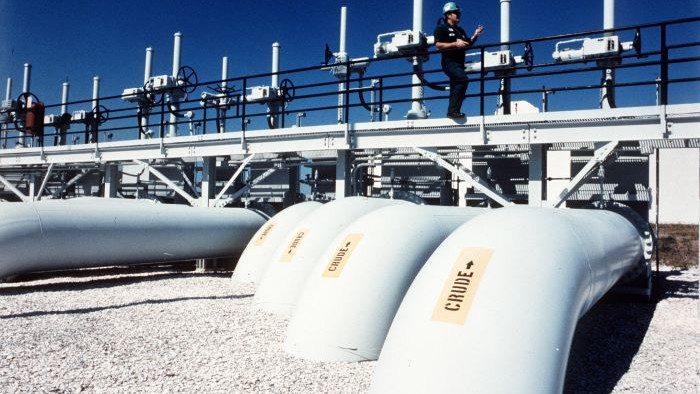
The decision by the United States to release an additional 17 million barrels from the Strategic Petroleum Reserve represents a stark admission of the severity of the current global energy shortage. This move, executed in tandem with the International Energy Agency’s accelerated emergency releases, indicates that market mechanisms alone are insufficient to curb the surge in fuel prices. The intervention is a direct response to the tightening of supply chains and the inability of existing production capacities to meet escalating demand.
The underlying friction stems from a mismatch between geopolitical instability and energy infrastructure resilience. As major producers face operational disruptions, the strategic reserves of consuming nations have become the primary buffer against price shocks. The coordination between the US and the IEA highlights the fragility of the global energy architecture, where national security interests are increasingly intertwined with market stability. This is not merely a commercial issue but a matter of national security, as high fuel costs ripple through inflation and social unrest.
The tangible outcome is a temporary suppression of price spikes, but the long-term consequence is the depletion of strategic buffers that were intended for true emergencies. As reserves dwindle, future shocks will be met with less capacity for intervention, potentially leading to more severe economic disruptions. The global economy is now operating with a reduced margin of safety, making it more susceptible to further supply-side disruptions in the coming year.
Comments 0