Uttar Pradesh ATS Detains Four in Pakistan‑Backed Plot Targeting Security Forces
The Anti‑Terrorism Squad in Lucknow arrested four individuals linked to a Pakistan‑based handler who allegedly plotted attacks on police and army personnel, seizing a pistol and twenty cartridges. The operation underscores lingering cross‑border infiltration threats in the heartland.
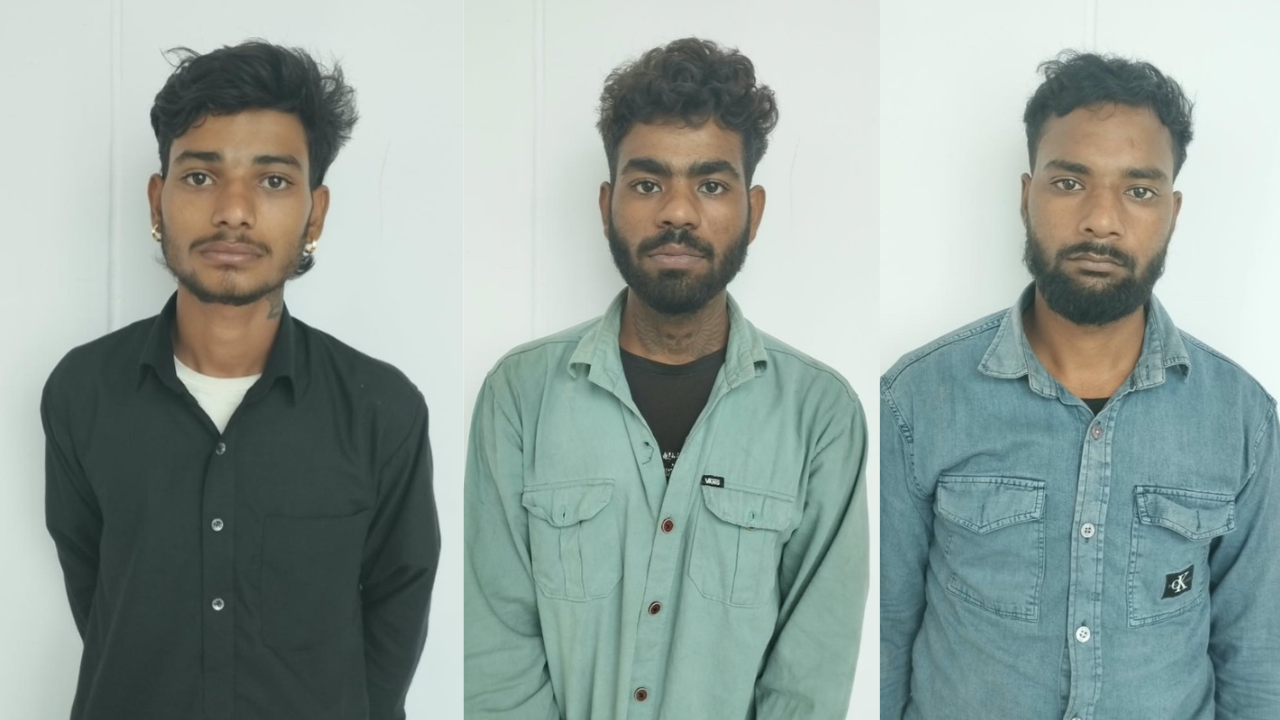
The arrests were carried out in a coordinated raid on a residential quarter in Lucknow, where investigators uncovered a concealed firearm, a cache of ammunition, and handwritten notes outlining potential targets within police stations and army cantonments. The four detainees, all residents of the city, are alleged to have been recruited through an online network operated by a handler based in Pakistan, who provided logistical support and financial incentives for the planned assaults. The ATS seized encrypted communication devices that are now being examined for further links to external terror cells.
This breakthrough arrives against a backdrop of heightened vigilance along the India‑Pakistan frontier, where intelligence agencies have repeatedly warned of attempts to destabilise internal security through proxy operatives. The Uttar Pradesh police chief has praised the ATS for its swift action, noting that the foiled plot demonstrates the efficacy of recent joint operations between state and central intelligence units. Nevertheless, civil‑rights observers caution that such high‑profile arrests can sometimes lead to broader crackdowns on dissent, urging authorities to maintain procedural transparency and uphold due process.
The immediate fallout includes a surge in security alerts across the state, with police units conducting door‑to‑door checks in neighborhoods deemed vulnerable. The incident is likely to prompt the central government to review existing counter‑terrorism statutes, potentially expanding the ATS’s jurisdiction to operate more freely in interior regions. For the local populace, the heightened alert may translate into increased police presence, temporary disruptions to daily routines, and a lingering sense of unease as the state works to reassure citizens of its protective capabilities.
Comments 0