Uttar Pradesh Emphasises Safety and Connectivity to Revive Tourism Economy
State officials in Uttar Pradesh have highlighted the need for improved safety measures and transport connectivity as cornerstones of a strategy to rejuvenate the region’s tourism sector. The initiative seeks to attract domestic travellers and stimulate ancillary businesses in the wake of pandemic‑induced downturns.
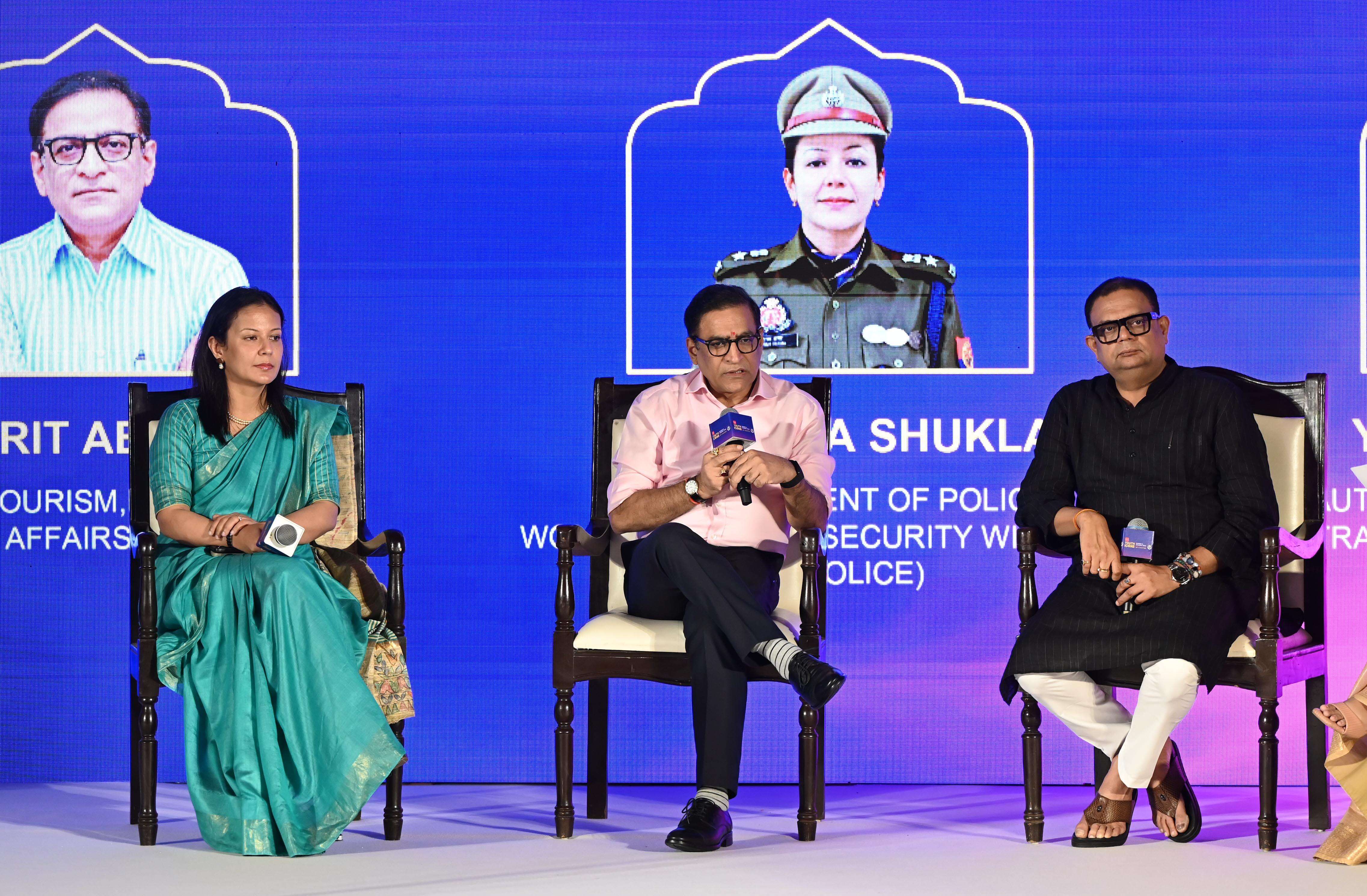
During a recent press conference in Lucknow, senior representatives of Uttar Pradesh’s tourism department outlined a multi‑pronged plan that places public safety and seamless connectivity at its core. The officials cited recent incidents of crime and inadequate infrastructure as deterrents to potential visitors, urging local authorities to bolster police presence, install surveillance systems, and enforce stricter licensing for transport operators. Simultaneously, the state aims to upgrade road networks, expand rail links, and introduce reliable bus services connecting heritage sites such as Agra, Varanasi, and the lesser‑known spiritual towns of the Braj region.
Underlying these measures is a recognition that tourism in Uttar Pradesh has suffered a steep decline since the COVID‑19 pandemic, with hotel occupancy rates falling below fifty percent and ancillary sectors, handicrafts, food services, and local transport, experiencing revenue contractions. By addressing safety concerns and reducing travel friction, the government hopes to restore confidence among domestic tourists, who constitute the bulk of the market. The plan also includes promotional campaigns showcasing the state’s cultural festivals, culinary heritage, and eco‑tourism opportunities.
The anticipated downstream impact extends beyond visitor numbers. Improved infrastructure is expected to generate employment in construction, hospitality, and ancillary services, thereby contributing to the state’s broader economic recovery. Moreover, heightened safety standards could a more welcoming environment for foreign tourists, potentially unlocking new revenue streams. If successfully implemented, the strategy may serve as a blueprint for other Indian states seeking to revitalize their tourism economies in a post‑pandemic .
Comments 0