Uttar Pradesh Shuffles 28 IPS Officers in Major Police Reorganization
The Uttar Pradesh government has transferred 28 IPS officers, including new police commissioners for Varanasi, Prayagraj, Noida, and Ghaziabad. This significant reshuffling signals a strategic realignment of law enforcement priorities in the state's most critical urban centers.
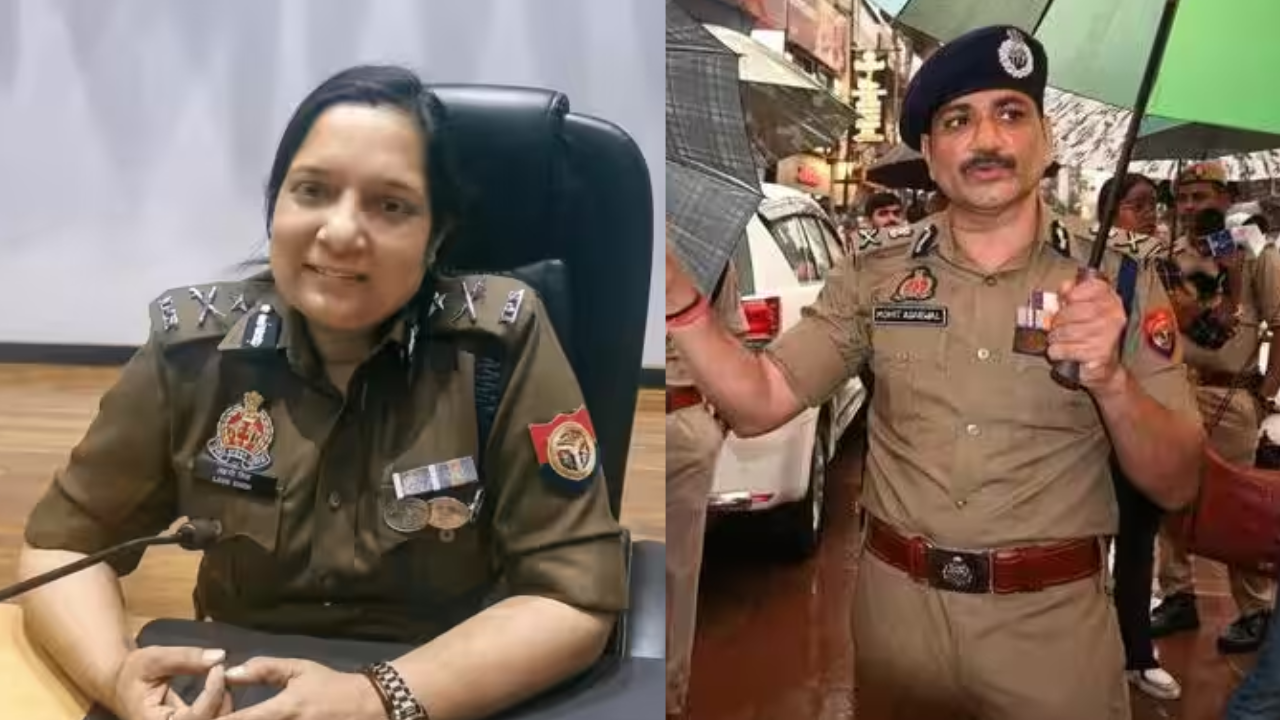
The Uttar Pradesh government has executed a major reorganization of its police force by transferring 28 IPS officers, with new appointments for key positions in Varanasi, Prayagraj, Noida, and Ghaziabad. This move is not merely a routine administrative exercise but a strategic realignment of law enforcement resources in the state's most populous and economically significant cities. The immediate consequence is a shift in the command structure of the police, with new leaders tasked with addressing the unique challenges of these urban centers. The shockwave is felt in the police bureaucracy, as officers are reassigned to new roles, potentially disrupting ongoing operations and investigations.
The underlying tension in this transfer order reflects the government's desire to assert control over law enforcement in key areas, particularly in the run-up to any upcoming elections or in response to recent security concerns. The institutional friction here lies in the balance between political oversight and professional autonomy within the police force. The transfer of senior officers can be seen as a way for the government to ensure loyalty and alignment with its policy objectives, but it also risks undermining the professional integrity of the force. This case highlights the ongoing struggle between political and professional interests in the management of the police.
The downstream impact of this reorganization is a potential improvement in law enforcement efficiency in the affected cities, but it also carries the risk of disruption and uncertainty. The tangible outcome is a new set of police commissioners who will be tasked with addressing the specific challenges of their jurisdictions, such as crime, traffic, and public order. For the public, the transfer may signal a renewed commitment to safety and security, but it also raises questions about the continuity of police operations and the impact on ongoing cases. The long-term consequence will be a more politically aligned police force, with potential implications for the independence and effectiveness of law enforcement in Uttar Pradesh.
Comments 0