Vande Bharat Sleeper Express Connects Mumbai and Bengaluru from November
Indian Railways will launch its first sleeper‑class Vande Bharat train on the Mumbai‑Bengaluru corridor on 2 November, promising reduced travel time and premium amenities. The service is positioned to capture high‑value passengers while challenging private airlines on the same route.
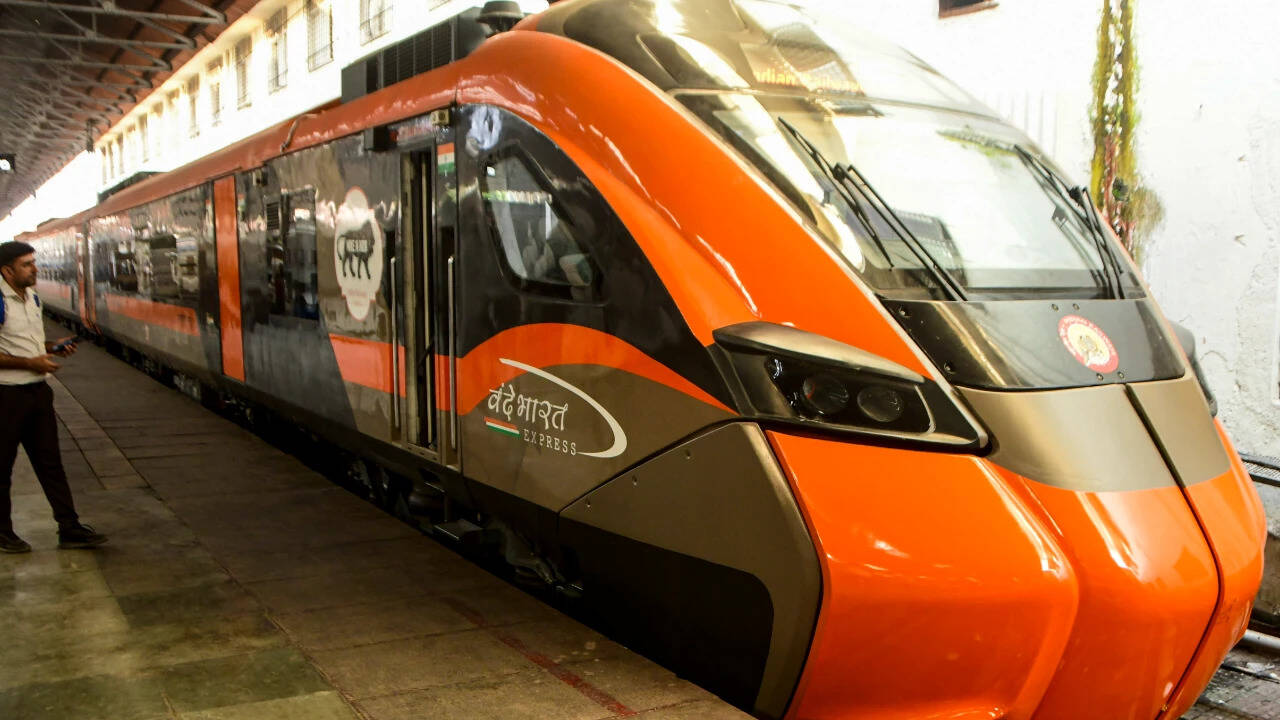
The inaugural run of the Vande Bharat Sleeper Express is scheduled to depart Mumbai Central at 22:00 hours, arriving at Bengaluru City after a 12‑hour journey that trims the conventional travel time by nearly two hours. The train features modern bio‑toilets, Wi‑Fi connectivity, and ergonomic berths, marking a departure from the older sleeper coaches that dominate long‑distance routes. Ticket pricing has been calibrated to sit between the cost of a standard sleeper ticket and a premium AC‑2 tier fare, aiming to attract business travellers, tourists, and families seeking comfort without the expense of air travel.
The launch arrives amid a broader push by Indian Railways to modernise its fleet and reclaim market share from low‑cost airlines that dominate the Mumbai‑Bengaluru corridor. Airline operators have warned that the new service could erode their passenger base, especially for travelers who value city‑centre to city‑centre connectivity and are less constrained by flight schedules. Railway officials, however, argue that the Vande Bharat’s superior speed, reduced carbon footprint, and seamless integration with existing rail networks provide a compelling alternative that aligns with the government’s sustainability agenda.
If passenger uptake meets projected targets, the ripple effects could reshape regional mobility patterns. Airports may experience a dip in short‑haul traffic, prompting airlines to re‑evaluate route frequencies or introduce fare discounts. Conversely, ancillary industries such as hospitality and tourism in both metros could benefit from a steadier flow of travellers who prefer rail’s flexibility for side‑trip excursions. The success of this sleeper service may also spur further investments in high‑speed rail corridors across the country, accelerating a shift toward rail‑centric intercity travel that could alleviate congestion at major airports.
Comments 0