Venezuela Dismantles State Electricity Monopoly to Revive Collapsed Petroleum Infrastructure
Venezuela has opened its electricity sector to private capital for the first time in nearly two decades, prioritizing oil producers burdened by chronic power failures. This historic reform introduces euro-pegged tariffs designed to attract foreign investment and stabilize crude extraction operations.
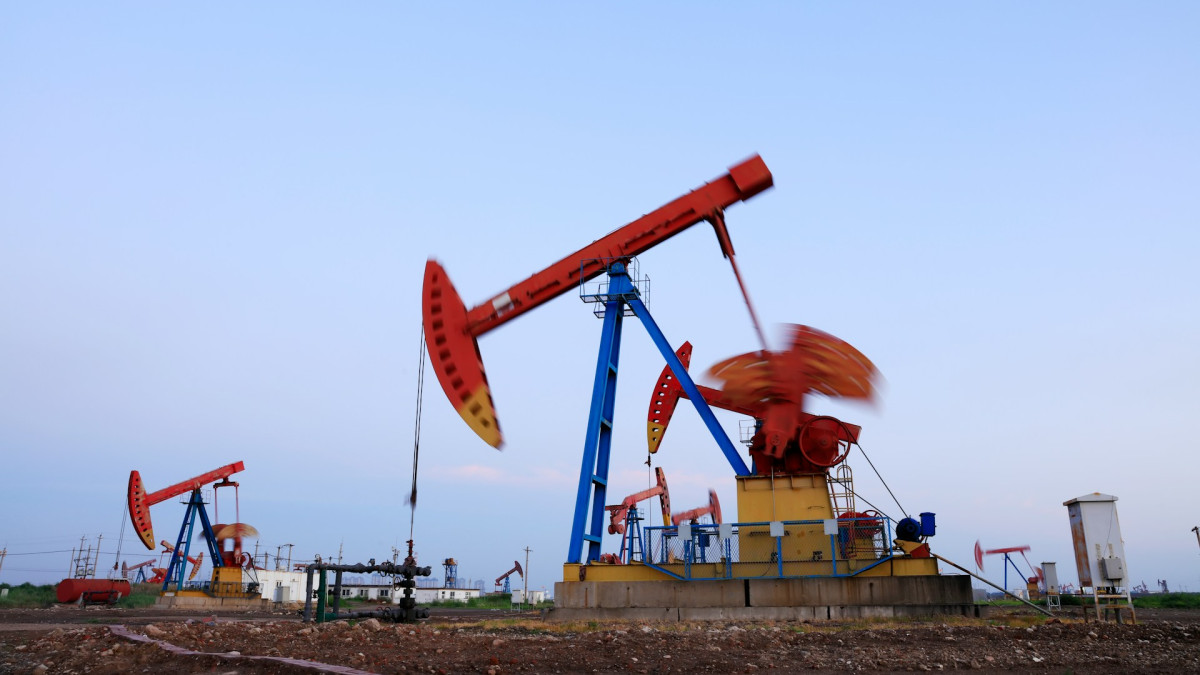
The government of Venezuela has enacted legislation dismantling a nineteen-year state monopoly over the national electricity grid, permitting private entities to generate and distribute power independently. Conceived primarily to rescue the crippled petroleum industry, the reform allows major oil producers and large industrial enterprises to secure reliable power supplies through direct private contracts. This policy reversal marks the definitive abandonment of the rigid nationalization dogma established under Hugo Chavez in 2007.
The underlying tension driving this reform is the catastrophic collapse of electrical infrastructure, which has repeatedly paralyzed refineries, upgraders, and extraction pumps across the Orinoco belt. Decades of underinvestment, corruption, and mismanagement left the grid incapable of meeting basic industrial demands, resulting in plunging oil output despite possessing the world's largest crude reserves. By permitting euro-pegged pricing models, the administration aims to guarantee foreign investors predictable returns immune to domestic hyperinflation.
The immediate outcome of this structural shift is a bifurcated energy market where well-capitalized oil consortia can bypass state blackouts while ordinary citizens remain exposed to erratic public utility services. While crude production figures are projected to stabilize as private power plants come online, the deepening social inequality regarding basic infrastructure access highlights the limits of partial economic liberalization in an authoritarian state.
Comments 0