Wall Street Reconsiders Geopolitical Risk As The Iran Trade Fails
Financial markets are abruptly pricing in heightened Middle Eastern conflict as institutional traders abandon historical assumptions about presidential restraint. The breakdown of the routine dip-buying strategy exposes global equities to severe volatility shocks.
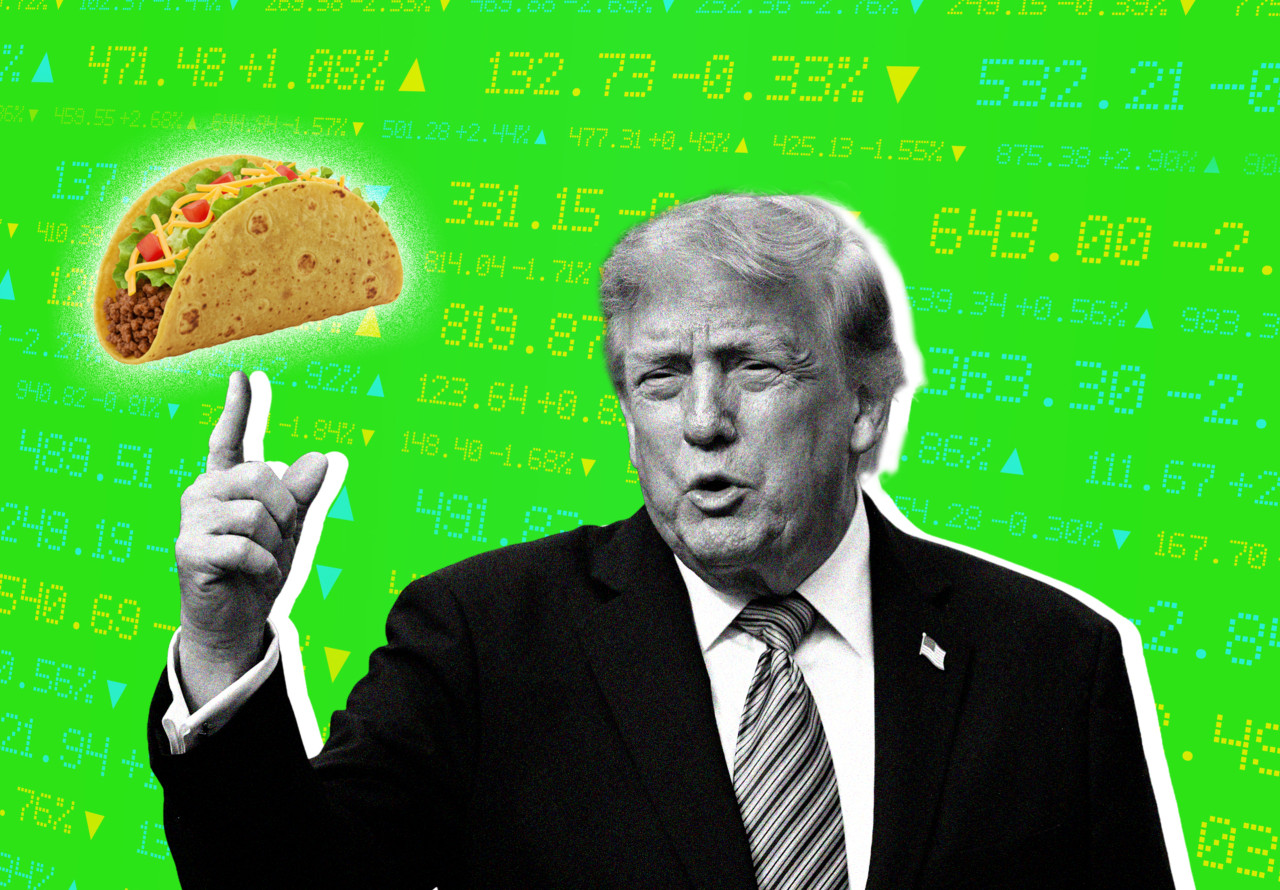
For months, global trading floors operated under a predictable behavioural assumption regarding United States foreign policy. Whenever diplomatic friction intensified around Tehran, equity markets experienced predictable pullbacks that savvy investors routinely bought, confident that political calculus would ultimately dictate de-escalation. This reliable market rhythm, colloquially termed the tactical retreat playbook, served as a comforting anchor for portfolio managers navigating persistent geopolitical turbulence. That comforting consensus fractured violently when recent developments defied historical precedent and stripped investors of their safety buffer. As diplomatic channels deteriorated without the anticipated political retreat, portfolio strategists found themselves dangerously exposed to unhedged tail risks in energy and defence sectors. The resulting re-pricing of assets exposed a dangerous over-reliance on historical behavioural patterns among institutional allocators who mistook short-term political posturing for permanent structural deterrence. Downstream casualties of this miscalculation include leveraged retail portfolios and algorithmic funds designed around mean-reverting risk models. As energy markets absorb the reality of unmitigated escalation vectors, capital is rapidly rotating out of speculative growth assets into traditional safe havens. The broader institutional outcome marks the definitive end of complacency regarding regional conflicts, forcing boards to factor extreme geopolitical tail risks directly into corporate valuations.
Comments 0