Wall Street’s Green Funds Are Heavily Invested in Natural Gas
As the UN’s COP31 climate conference approaches, scrutiny has intensified on Wall Street’s 'energy transition' funds, which are found to be heavily invested in natural gas. This revelation highlights the gap between corporate sustainability claims and actual investment portfolios, raising questions about the integrity of green finance.
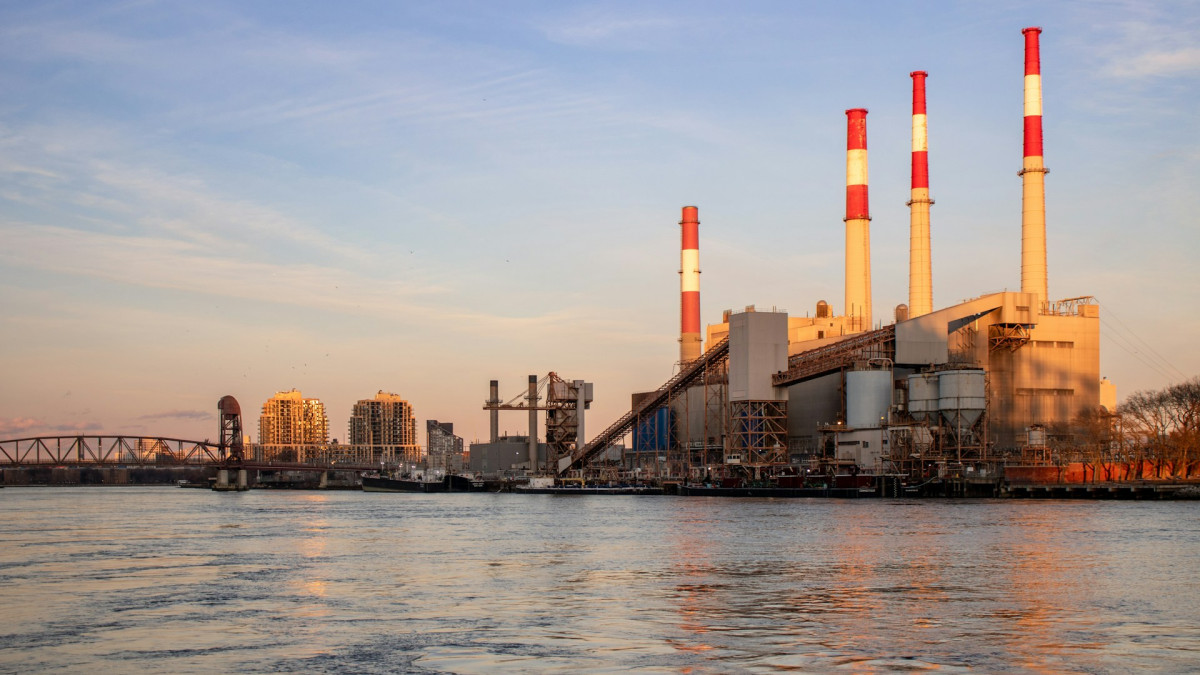
The revelation that Wall Street’s 'energy transition' funds are heavily invested in natural gas has sparked a wave of criticism ahead of the UN’s COP31 climate conference. This finding underscores the growing problem of greenwashing in the private sector, where companies and funds make sustainability claims that do not align with their actual investment practices. The tech sector’s greenhouse gas emissions are also under scrutiny, adding to the pressure on financial institutions to demonstrate genuine commitment to environmental goals. This incident has forced a reevaluation of the credibility of green finance labels.
The underlying tension lies in the disconnect between the rhetoric of sustainability and the reality of profit-driven investment decisions. Many funds market themselves as leaders in the energy transition, yet their portfolios reveal a significant reliance on fossil fuels, including natural gas. This friction between image and substance has led to increased regulatory scrutiny and calls for stricter disclosure requirements. The incident highlights the need for transparency and accountability in the financial sector, as investors and consumers demand more than just marketing language.
The downstream consequences of this revelation are a potential loss of trust in green finance products. Investors may become more cautious, demanding rigorous due diligence before committing capital to sustainability-focused funds. For the financial industry, this incident serves as a wake-up call, prompting a reassessment of investment strategies and marketing practices. The 12-month outlook suggests that regulatory bodies will tighten oversight, leading to a more disciplined and transparent green finance market.
Comments 0