Weather tomorrow: IMD forecasts thunderstorms, lightning across several states; heavy rain in Karnataka, Kerala and Andhra Pradesh, gusty winds up to 60 kmph likely
The India Meteorological Department has issued a forecast of thunderstorms, lightning, and heavy rain for several states, with gusty winds expected to reach up to 60 km per hour. Karnataka, Kerala and Andhra Pradesh are likely to see the most intense rainfall tomorrow.
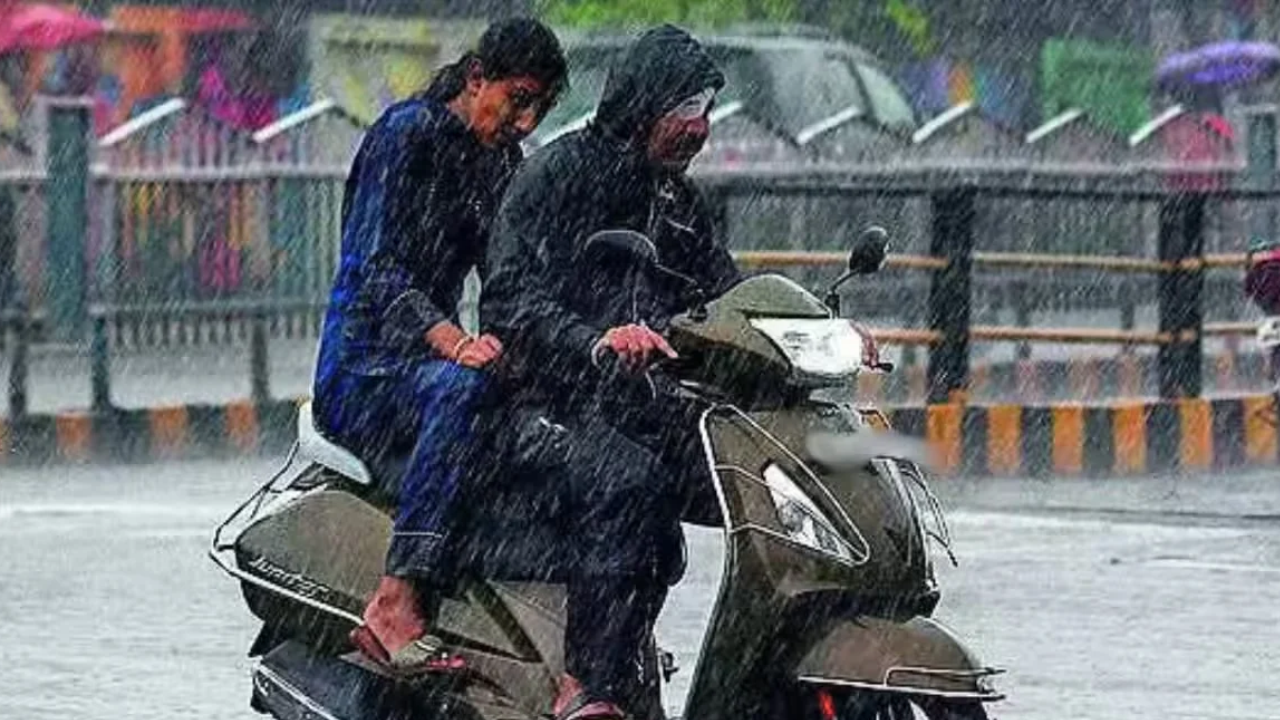
The India Meteorological Department (IMD) released a weather outlook for tomorrow that predicts widespread thunderstorms and lightning across a large part of the country. In addition to the electrical activity, the agency expects heavy rain to affect the southern states of Karnataka, Kerala and Andhra Pradesh, where rainfall could be intense enough to cause localized flooding. Gusty winds are also forecasted, with speeds potentially reaching 60 kilometres per hour in exposed areas, raising concerns for outdoor activities and travel plans.
Residents in the affected regions are being advised to take precautionary measures. Farmers should secure loose equipment and monitor field conditions, as sudden downpours could damage crops, especially in low‑lying paddy fields common in Kerala and parts of Karnataka. Commuters are urged to avoid unnecessary travel during the peak of the storms, as water‑logged roads and reduced visibility from lightning pose safety risks. Local authorities have announced that emergency response teams are on standby to assist with any incidents arising from the weather, including rescue operations in case of flash floods.
The IMD will continue to update its forecasts throughout the day, providing hourly bulletins to help the public stay informed. Meteorologists note that the current system is part of a larger monsoon pattern that typically brings periodic heavy rainfall to the south during this time of year. While the immediate impact is expected to be short‑lived, repeated storms can affect water reservoirs and agricultural planning. Citizens are encouraged to stay tuned to official channels for real‑time alerts and to follow safety guidelines issued by local disaster management agencies.
Comments 0