West Bengal Grants 60 Wheelchair Users Personalised Mobility Devices
The state government has supplied 60 wheelchair users in West Bengal with custom‑made mobility devices, a move aimed at enhancing independence and quality of life for people with disabilities.
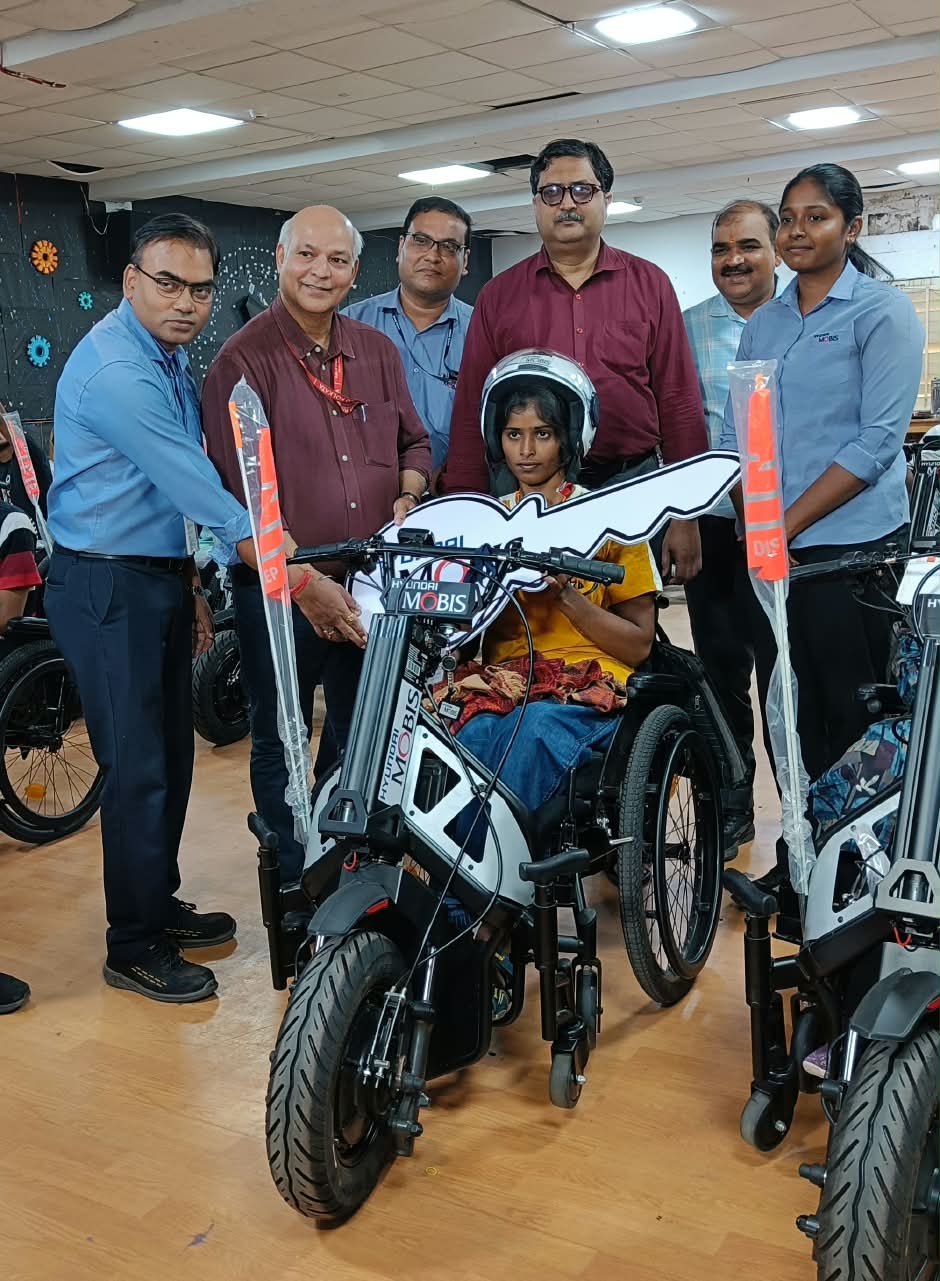
In a modest ceremony held at the Kolkata Municipal Corporation office, the West Bengal government announced the distribution of 60 custom‑made wheelchair devices to individuals with mobility impairments across the state. The initiative, part of a broader disability‑rights program, seeks to address the long‑standing gap between demand and supply for assistive technology. Each device, engineered to accommodate specific physical needs, promises to restore a degree of autonomy that many users had lost due to inadequate infrastructure and limited access to affordable equipment.
The underlying tension that prompted this intervention stems from systemic shortcomings in procurement processes and the lack of a coordinated framework for disability support. Local advocacy groups had highlighted the scarcity of personalized devices, citing bureaucratic delays and budgetary constraints that left many patients without essential mobility aids. By allocating funds and streamlining the distribution chain, the state government aims to set a precedent for inclusive public service delivery, signaling a shift toward more responsive governance.
The downstream impact of the program is already evident in the recipients’ testimonies of renewed independence and improved social participation. Families report reduced reliance on caregivers, while the recipients themselves express gratitude for the tangible improvement in daily life. However, the initiative also raises questions about long‑term sustainability, as maintenance and replacement of devices will require ongoing investment. The success of this pilot could spur further policy reforms, encouraging the integration of assistive technology into mainstream healthcare planning and ensuring that disability rights are upheld as a core public mandate.
Comments 0