West Bengal Health Minister's 'Maoist' Remark Escalates Doctor Protests
The West Bengal Health Minister's characterization of a section of junior doctors as 'Maoist' has inflamed tensions in the state's healthcare sector. The remark has been widely condemned as an attempt to delegitimize legitimate labor grievances and has intensified the ongoing standoff between the government and medical professionals.
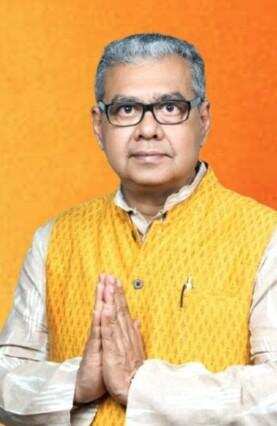
The concrete rupture in the healthcare sector's stability is the minister's inflammatory language, which has transformed a labor dispute into a political crisis. By labeling protesting junior doctors as 'Maoist,' the minister has invoked a term associated with violent insurgency, thereby delegitimizing the doctors' demands for better working conditions and safety. This rhetorical move has not only failed to quell the protests but has galvanized support for the doctors from across the political spectrum. The incident marks a significant escalation in the conflict, moving it from the realm of administrative negotiation to the arena of political confrontation.
The underlying tension stems from the chronic underfunding and overwork in the state's public healthcare system, where junior doctors often face unsafe working environments and inadequate supervision. The government's response has been characterized by a lack of empathy and a tendency to view labor issues through a security lens, rather than as a matter of public health and worker welfare. Institutional friction is evident in the disconnect between the political leadership's priorities and the on-the-ground realities faced by medical professionals. The use of such charged language suggests a strategy of divide and rule, aiming to isolate the protesting doctors from the broader public and medical community.
The downstream casualties include the patients who rely on the services of these doctors, who may face disruptions in care as the standoff continues. The incident has also damaged the reputation of the state's healthcare system, potentially deterring qualified professionals from joining the public sector. The political fallout is likely to be significant, with the minister's remarks becoming a focal point for opposition parties and civil society groups. The long-term consequence may be a deepening of the divide between the government and the medical community, making future negotiations more difficult and prolonging the crisis in the state's healthcare delivery.
Comments 0