West Bengal's Industrial Pivot: Adhikari Targets Land Policy and Ashok Leyland Investment
Chief Minister Suvendu Adhikari has announced a new state policy focused on allocating land for industries, signaling a strategic shift in West Bengal's economic approach. The state is also in advanced talks with Ashok Leyland for a potential investment in Singur, a move that could revitalize the region's manufacturing base and attract further foreign direct investment.
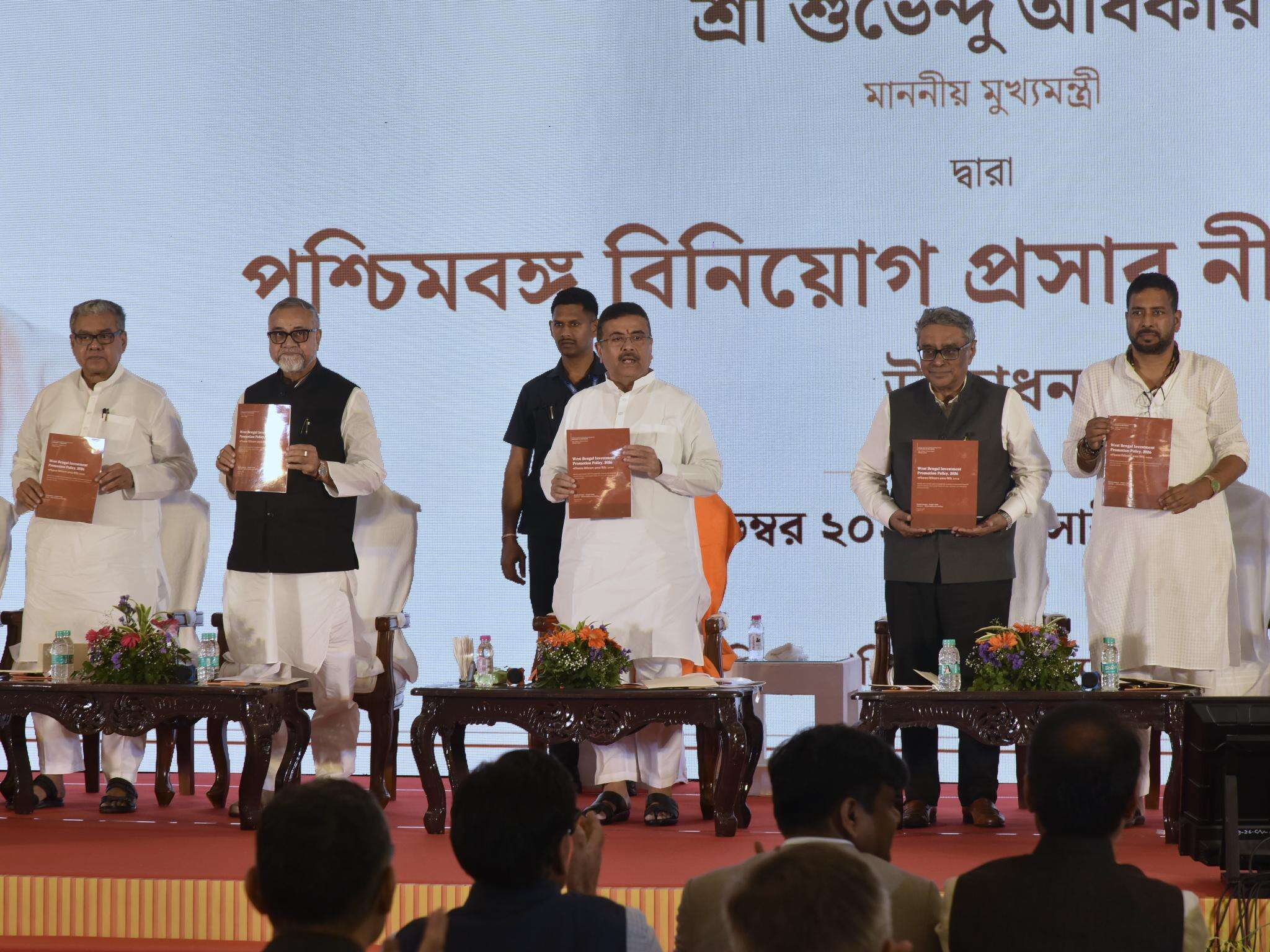
West Bengal's Chief Minister Suvendu Adhikari has unveiled a new state policy that places a strong emphasis on the allocation of land for industrial purposes. This strategic move is designed to address the long-standing challenges faced by the state in attracting and retaining manufacturing investments. By streamlining the process for land allocation, the government aims to create a more conducive environment for businesses to set up operations in the state. The policy is part of a broader effort to reposition West Bengal as a competitive hub for industry, leveraging its geographical advantages and skilled workforce.
The underlying tension in this policy shift is the need to balance industrial growth with social and environmental considerations. The allocation of land for industries often involves the displacement of local communities, a sensitive issue in West Bengal. The government must navigate this delicate terrain, ensuring that the benefits of industrialization are shared equitably among all stakeholders. The institutional friction is evident in the ongoing negotiations with potential investors, where the state must offer competitive incentives while maintaining its regulatory standards. The talks with Ashok Leyland for a possible investment in Singur are a key test of this new approach, as the company's decision will signal the effectiveness of the state's industrial policy.
The tangible outcome of this policy will be a potential surge in manufacturing activity in West Bengal, leading to job creation and economic growth. The investment by Ashok Leyland, if finalized, could serve as a catalyst for further investments in the region, creating a cluster of automotive and related industries. The downstream impact will be felt in the local economy, with increased demand for goods and services and a rise in property values. However, the success of this strategy will depend on the government's ability to deliver on its promises and address the concerns of local communities. The policy also sets a precedent for other states in India, which may follow suit in their own efforts to attract industrial investment.
Comments 0