West Bengal’s Industrial Policy Redraws the Map for Manufacturing
The state government has unveiled a new industrial policy that has been met with immediate enthusiasm from the Bengal Inc business community. The incentives offered are designed to reverse decades of capital flight, positioning the state as a competitive alternative to other Indian manufacturing hubs.
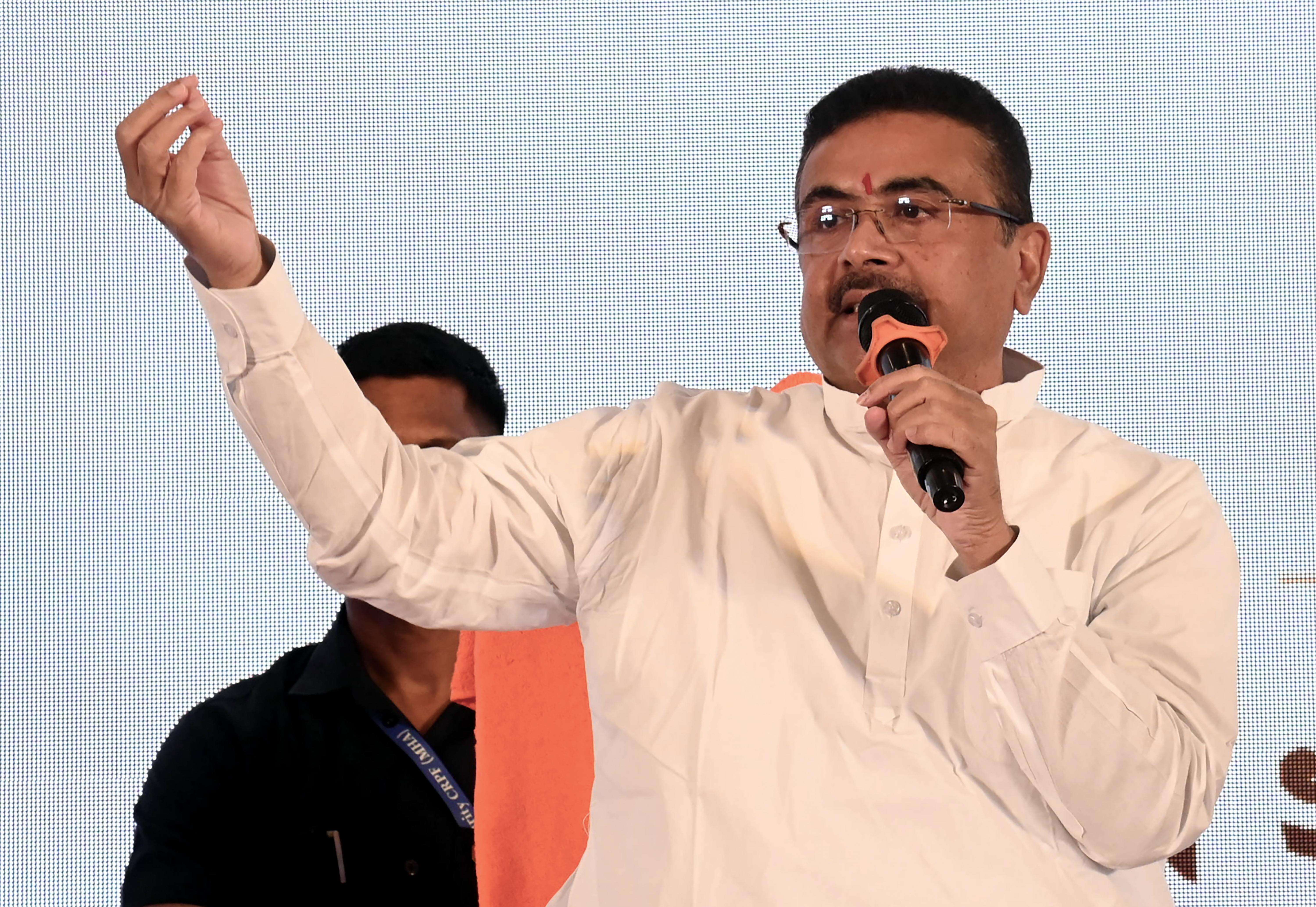
The concrete rupture in West Bengal’s economic trajectory is the unveiling of a new industrial policy that has been hailed by the state’s business community as a 'new sunrise.' The policy introduces a suite of incentives aimed at attracting new investments and revitalizing existing industries. The immediate shockwave is evident in the response from Bengal Inc, the state’s premier business body, which has welcomed the measures as a necessary corrective to the state’s prolonged economic stagnation. This is not a minor adjustment; it is a comprehensive overhaul of the state’s approach to industrial development, signaling a clear intent to compete for the capital that has historically flowed to neighboring states and other Indian regions.
The underlying tension in this policy shift is the state’s struggle to retain its industrial base in the face of aggressive competition from other Indian states. For years, West Bengal has been criticized for bureaucratic hurdles and a lack of proactive engagement with the private sector. The new policy represents an institutional friction between the old guard, which favored a more state-centric approach, and the new leadership, which recognizes that economic growth requires a partnership with the private sector. This friction is also evident in the specific incentives offered, which are tailored to address the specific pain points of manufacturers, such as land acquisition delays and infrastructure gaps. The policy is a direct response to the capital flight that has seen many businesses relocate to states with more favorable regulatory environments.
The downstream casualties of this policy shift may include states that have relied on their existing industrial base to attract investment, as West Bengal’s new incentives could make it a more attractive destination for new projects. For the state itself, the tangible outcome is a potential influx of new investments, which could create jobs and stimulate economic growth. However, the success of the policy will depend on its implementation, which will require a significant shift in the state’s administrative culture. The long-term consequence is a more competitive Indian industrial , where states are forced to continuously innovate their policies to attract and retain capital. This could lead to a more dynamic and efficient allocation of resources across the country.
Comments 0