Yogi Adityanath’s Policies Reshape Uttar Pradesh’s Employment
A recent analysis credits Uttar Pradesh’s chief minister with engineering a shift in the state’s job market, emphasizing skill‑based incentives and infrastructure projects that have attracted private investment. The changes have altered wage structures and migration patterns across the region.
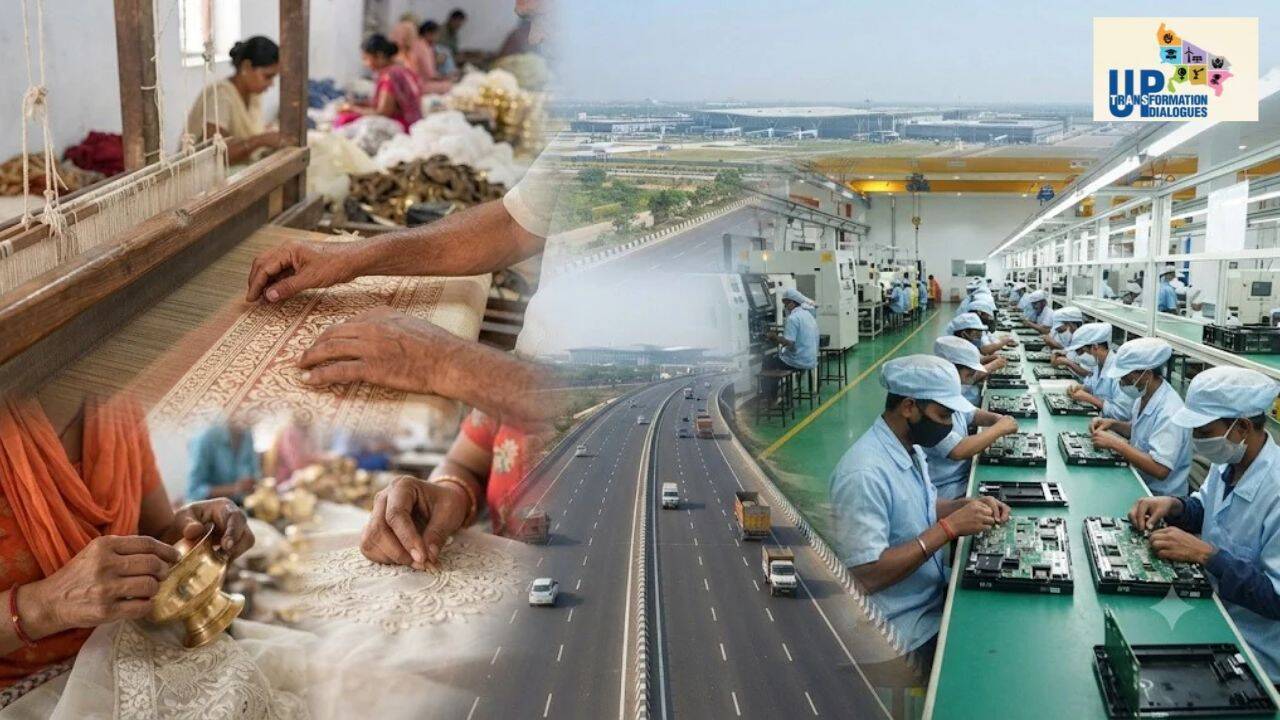
The concrete rupture is evident in the surge of new manufacturing units and logistics hubs that have sprung up along the state’s expanded highway network, a direct outcome of policies that offered tax holidays and streamlined land acquisition. Data from the state labour department shows a measurable rise in formal employment, particularly in the automotive and renewable‑energy sectors, while informal work in traditional agriculture has contracted. The influx of skilled workers from neighboring states has also raised average wages, prompting a modest reversal of the historic out‑migration trend.
Underlying tension emerges from the balancing act between rapid industrialisation and the preservation of agrarian livelihoods. Critics argue that the emphasis on large‑scale projects has sidelined small‑holder farmers, whose access to credit and market linkages remains limited. The administration’s push for vocational training centres aims to mitigate this disparity, yet the speed of implementation has sparked bureaucratic friction, with local authorities sometimes resisting reallocation of resources. Political opponents contend that the benefits accrue unevenly, favouring urban districts over rural heartlands.
Downstream repercussions include a reshaping of the state’s demographic profile, as younger workers increasingly opt to remain within Uttar Pradesh rather than seek opportunities in distant metros. The burgeoning industrial base has attracted ancillary service providers, stimulating growth in sectors such as housing, retail, and education. Over the next twelve months, the state is poised to see a consolidation of its position as a manufacturing hub, potentially influencing national policy on regional development and prompting other states to emulate its incentive framework.
Comments 0