Yogi’s Narrative Links Ayodhya Development to Historical Unity
Chief Minister Yogi Adityanath credited the town’s recent infrastructure surge to the collective resolve of ancient seers and present‑day citizens. The statement is expected to reinforce the ruling party’s cultural agenda ahead of upcoming state elections.
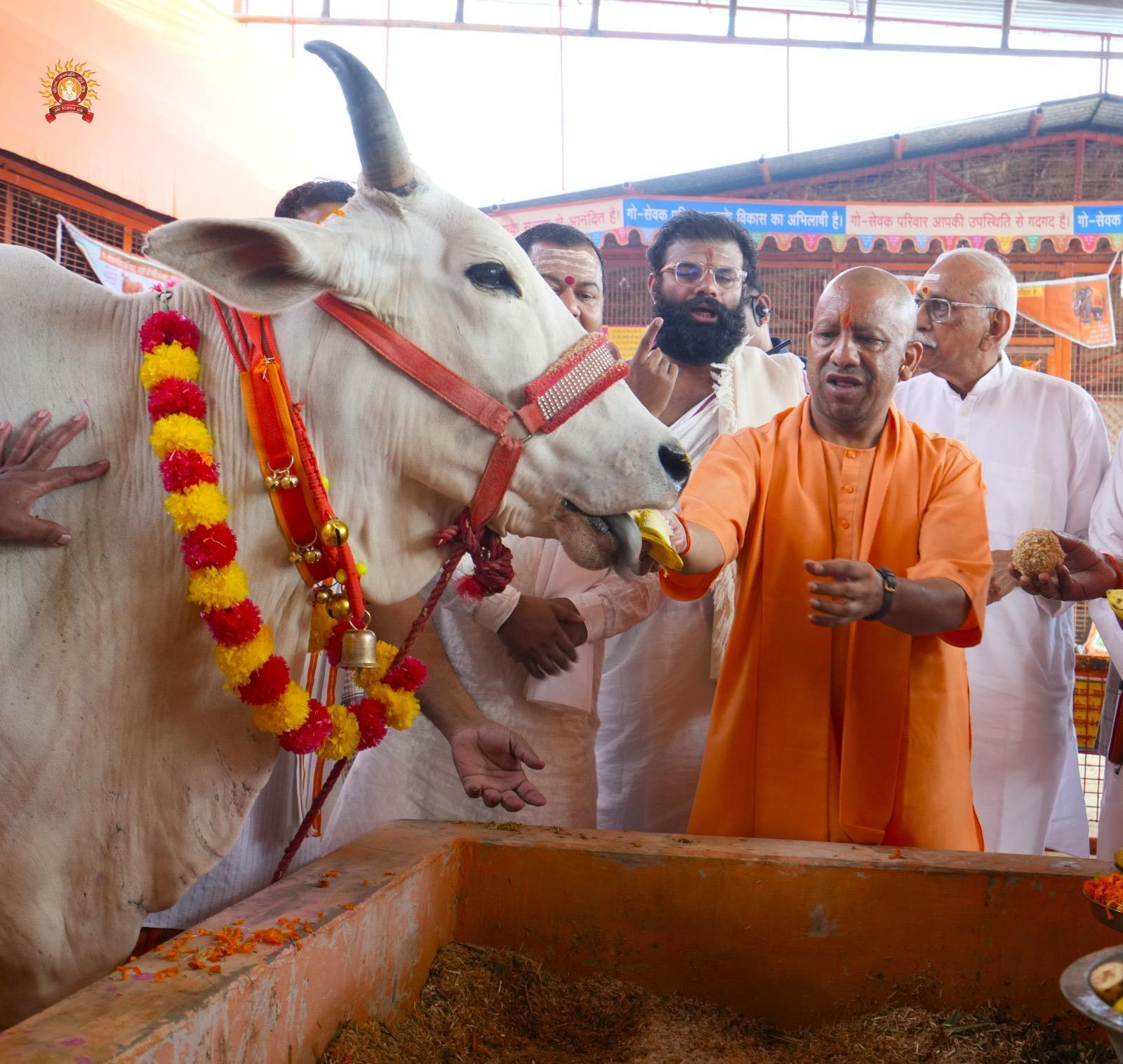
The Uttar Pradesh government announced a series of road widening, water supply upgrades and temple‑area beautification projects in Ayodhya, describing them as the tangible fruit of a centuries‑long tradition of communal sacrifice. Officials cited the involvement of local artisans, private donors and state agencies, noting that the budget allocation for the fiscal year has risen by a double‑digit percentage compared with the previous cycle. The narrative positions the development as a continuation of a mythic lineage that binds the region’s identity to its spiritual heritage.
Underlying this public messaging is a calculated effort to consolidate the party’s voter base among both devout Hindus and rural constituencies that view heritage projects as a pathway to economic uplift. The administration has faced criticism from opposition legislators who argue that the funds could be redirected toward more pressing needs such as education and healthcare. Nevertheless, the chief minister’s emphasis on unity and sacrifice seeks to pre‑empt dissent by framing the projects as a collective triumph rather than a partisan giveaway.
The immediate impact is already visible in the surge of construction contracts awarded to local firms, a modest rise in employment for unskilled laborers, and an uptick in pilgrim traffic that promises higher revenue for ancillary businesses. In the longer term, the state hopes the visible transformation will translate into electoral dividends, while opponents warn that the focus on symbolic infrastructure may mask deeper fiscal imbalances. The episode illustrates how cultural symbolism can be leveraged to steer public resources toward politically advantageous outcomes.
Comments 0