Global Power Grid Expansion Records 50 Percent Surge in New Lines
The International Renewable Energy Agency reported that utilities installed over 21,000 kilometres of new transmission corridors last year, a 50 percent increase from the previous period. The growth signals accelerated investment in cross‑border electricity trade and renewable integration.
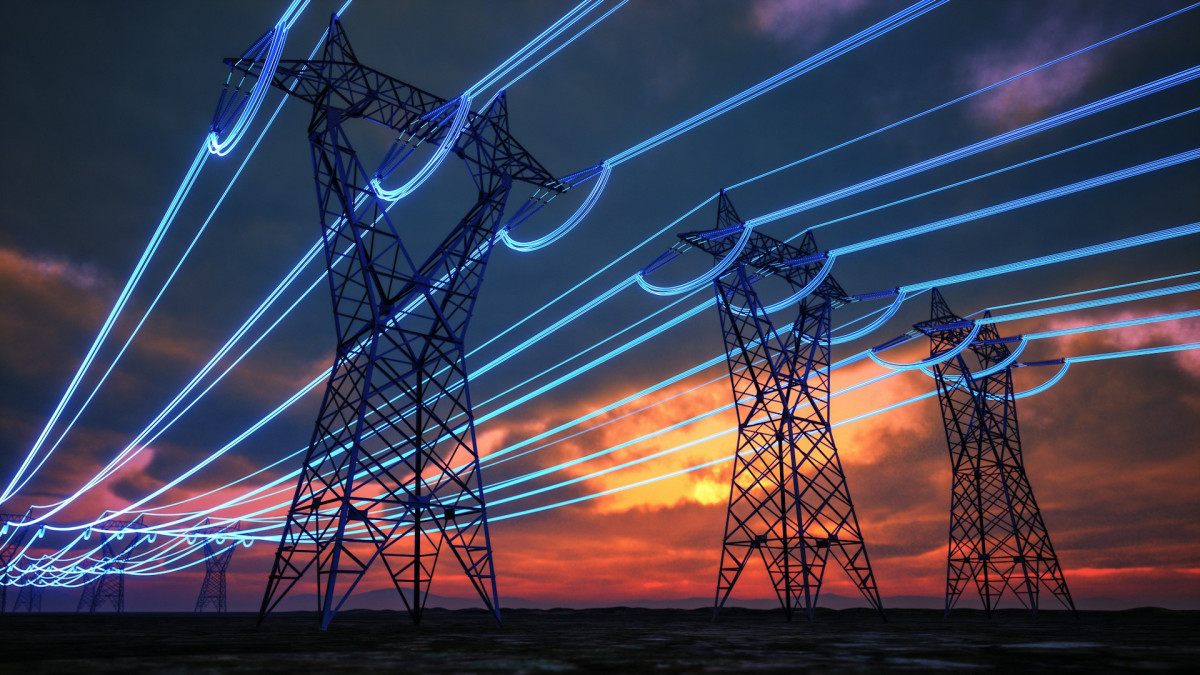
Data presented at the recent COP31 summit revealed that the Utilities for Net Zero Alliance logged a historic expansion of high‑voltage lines across Europe, Asia and Africa, aiming to accommodate the rising share of wind and solar generation. The new infrastructure includes several under‑sea cables linking offshore wind farms to mainland grids, as well as inland routes designed to transport surplus power from solar‑rich deserts to industrial hubs. Analysts attribute the surge to favorable policy frameworks, lower financing costs and heightened corporate commitments to decarbonisation.
The rapid rollout, however, has exposed friction between grid operators and local communities concerned about land acquisition, environmental impact and visual intrusion. Several projects have faced legal challenges, prompting regulators to streamline permitting processes while attempting to uphold ecological safeguards. The tension underscores the need for coordinated governance that balances energy security with social acceptance.
In the short term, the expanded network is expected to reduce reliance on fossil‑fuel‑based peaking plants, lower electricity prices in regions previously constrained by transmission bottlenecks, and enable greater export of renewable surplus. Over the next year, the increased capacity may also attract new investment in battery storage and demand‑response platforms, further reshaping the global energy market.
Comments 0